The right garden trowel might seem like a minor detail, but it can make a world of difference in your overall gardening experience. Whether you are planting flowers, transplanting seedlings, or digging in tight spaces, a good quality trowel helps you work more efficiently and with less effort. Sadly, this is a tool that many gardeners don’t realise the importance of and they use the wrong tool, which causes pain, wastes time and can even damage plants.
A bad quality trowel can bend, slip in your hand, or struggle to break through hard soil when you need it. This is especially frustrating when you are working with clay, compacted dirt or raised beds where accuracy is important. Using the wrong trowel can also lead to hand fatigue or strain over time, especially for beginners or those who garden frequently.
On the flip side, the best garden trowel is customized to your specific needs. With the right blade material and comfortable grip, and the right size, you can dig, scoop and plant with ease. It makes gardening more fun and less strenuous, and not only increases your productivity too.
In this guide, we will help you to stop using the wrong trowel and choose the best one for your gardening tasks. You will learn all about types, features and how to tell a good model from a bad one.
2. What Is a Garden Trowel?
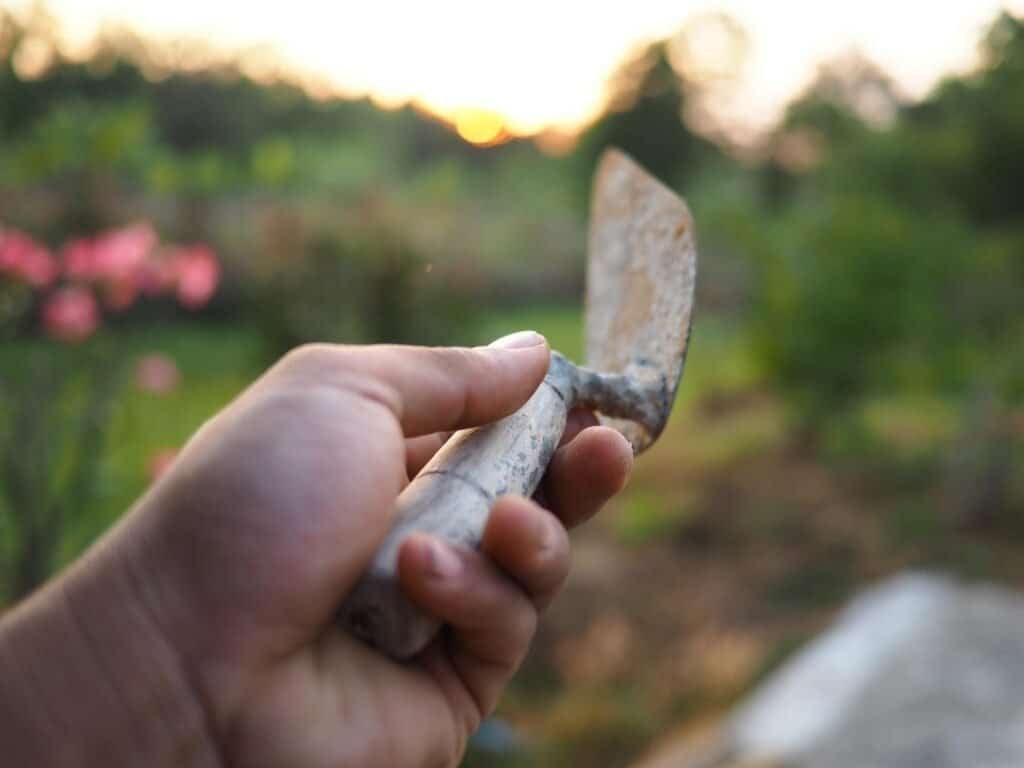
A garden trowel is one of the most essential hand tools in any gardener’s toolbox. It is a small handheld tool for digging, scooping, planting, and transferring soil. A garden trowel typically has a pointed or rounded metal blade and a short handle, allowing for precision control when working in tight spaces like pots, raised beds or densely planted areas.
At its heart the garden trowel is a versatile tool. A trowel is perfect for detailed work, unlike larger tools like the shovel/spade which are made for heavy-duty digging. Gardeners use it to plant seedlings, transplant small plants, mix soil or compost and remove weeds. Its small size makes it especially handy for working in tight spaces where larger tools would be unwieldy.
Garden trowels come in several varieties, each designed for a particular purpose. A typical hand trowel features a slightly curved blade for general digging and scooping. A transplanting trowel, which is often narrower and sometimes marked with depth measurements, helps gardeners place plants at the right depth. Weeders (also called weeding trowels) are usually long and narrow to dig up deep roots and remove stubborn weeds, while scoop trowels have a wider blade for moving larger amounts of soil.
The material of a garden trowel is very important to its performance. Most good quality trowels are made from stainless steel or carbon steel. Stainless steel is rust resistant and easy to clean so it’s perfect for low maintenance gardening. Carbon steel , however , is stronger and better in tough soil conditions , but requires more care to prevent corrosion . The handle can be made of wood, plastic or rubber and ergonomic designs offer greater comfort and reduce hand fatigue during prolonged use.
Another big benefit of a garden trowel is its precision. Because of the size and shape of a garden, it can be worked around carefully without disturbing the roots around it. This makes it an invaluable tool for container gardening, indoor plants, and small garden spaces where accuracy is key.
A garden trowel is not simply a diminutive digging tool. It is a multipurpose instrument that comes in handy at nearly every stage of gardening. It helps gardeners become more efficient and gives them more control—from sowing and transplanting to managing the health of their soil. Whether you are starting out as a gardener or are an experienced gardener with a collection of plants, a good garden trowel is an essential tool and the foundation of gardening success.
3. Types of Garden Trowels
Not all garden trowels are created equal. At first glance they may look the same but there are different types of trowels that are made for specific gardening tasks. Knowing these differences will help you choose the right tool for your needs and steer clear of common mistakes that can slow you down or damage your plants.
Hand Trowel
The most common and widely used type is the standard hand trowel. It has a slightly curved scoop-shaped blade that makes it perfect for general gardening tasks such as digging small holes, planting flowers and moving soil. This type is great for beginners since it’s versatile and easy to use in most situations. This is typically the best option if you are only going to own one trowel.
Trowel Transplanting
A transplanting trowel is used to transplant plants. It generally has a narrower, longer blade than a regular trowel, so you can dig deeper, more accurately, without disturbing nearby roots. Some transplanting trowels also have depth measurement marks on the blade to help ensure that plants are planted at the proper depth, which is important for healthy growth.
Trowel Scoop
Scoop trowels are designed to move more soil, compost, or fertiliser. They have a wider and deeper blade, almost like a little shovel, so they are very efficient for filling pots or raised beds. If you do container gardening often, or need to move soil quickly, a scoop trowel can save you time and effort.
Weeding Trowel (Narrow Blade)
Weeding trowels are designed to deal with deep-rooted nuisance weeds. They have a long narrow blade which can penetrate the soil more easily so you can reach down and remove the entire root system. This is particularly helpful for weeds like dandelions which have a tendency to grow deep into the ground. A weeding trowel helps prevent regrowth and keeps your garden clean and healthy.
Ergonomically Designed Trowel
Ergonomic trowels may not be defined by blade shape alone, but they do focus on comfort and ease of use. They often have specially designed handles that have soft grips or curved shapes that take strain off your hands and wrists. They’re perfect for gardeners who work for long hours, or for those with arthritis or limited hand strength.
Heavy Duty Trowel (Look)
Heavy-duty trowels are built to stand up to tougher conditions, such as compacted soil or clay. They are generally made of thicker, stronger materials such as reinforced carbon steel and may have sharper tips to pierce hard ground. If your garden soil is dense or rocky, a heavy-duty trowel is a wise investment.
To sum up, every garden trowel type has its own purpose, from accurate transplanting to heavy-duty digging. The best type for you depends on your gardening style, soil condition and the tasks you do most often. Use the right trowel and you’ll be able to work more efficiently, and get better results, in your garden.
4. Key Features of the Best Garden Trowel
Choosing the best garden trowel is not just about picking up the first trowel you see. Knowing what makes a trowel good, durable, and comfortable to work with is key. A well designed trowel can make a big difference to your efficiency as a gardener but a poor quality trowel will only lead to frustration and even injury with time. Here are some important features to consider before making your choice.
Material of Blade
The most important part of any garden trowel is the blade. Quality trowels are usually made of stainless steel or carbon steel. Stainless steel is very rust resistant, easy to clean and perfect for gardeners who want a low maintenance tool. Carbon steel is stronger material though, and better for heavy-duty jobs like digging through compacted soil or clay. But it must be cleaned and dried regularly to prevent rust. A good thick blade will also resist bending, which is a common issue with cheaper trowels.
Design of Comfort and Handle
The handle is a large factor in the comfort level of the trowel in use. Seek out ergonomic handles that fit comfortably in your hand, reducing strain during long gardening sessions. Materials like rubber or soft-grip plastic provide better control and help prevent slipping, particularly if you have wet hands. “Wooden handles have a classic feel to them and durability, but may need more maintenance. A good grip can help prevent blisters and fatigue, making your gardening experience so much more enjoyable.
Shape and Size of Blade
The shape and size of the blade determine the performance of the trowel in different tasks. A pointed tip is best for breaking into hard soil, while a rounded or wide blade is better for scooping and transferring soil. Narrow blades are good for precision work, such as transplanting seedlings, while wider blades are more efficient for moving larger amounts of soil. The best shape for you will depend on the kind of gardening you do most.
Build Quality & Durability
A good garden trowel should last. Look for tools that are forged in one piece or have a strong bond between the blade and the handle. The first point of failure in a low quality trowel is usually a weak joint. A durable tool might cost you more initially but will save you money in the long run as you won’t have to keep buying new ones.
Rust Resistance and Care
Gardening tools are often exposed to moisture and soil, so they can rust if not properly protected. Stainless steel blades are naturally corrosion-resistant, but coated carbon steel can offer some protection as well. Another important feature is easy maintenance, especially if you garden often. A trowel that is easy to clean and rust resistant will remain in good shape for years.
Additional Features
There are some trowels that have additional features for better usability. These might include measurement markings on the blade for accurate planting depth, sharpened edges for cutting through roots, or even hanging holes for convenient storage. These features aren’t mandatory but can be valuable and make your gardening tasks easier.
To sum up, the best garden trowel is a mix of strength, comfort and functionality. Paying attention to these key features will help you select a tool that fulfils your gardening needs and enhances your overall experience.
5. How to Choose the Right Trowel for Your Needs
Choosing the right garden trowel isn’t a one-size-fits-all decision. The best trowel for you is based on your gardening style, soil type, and the tasks you perform most often. Knowing your needs helps you choose a tool that increases efficiency, minimises effort and maximises the overall gardening experience.
For Newbies
If you are a beginner gardener, the two most important things are simplicity and flexibility. A standard hand trowel with a sturdy stainless steel blade and an ergonomic handle is usually your best bet. It can accomplish a wide range of jobs, from planting flowers to digging little holes. For beginners, getting too hung up on specialised tools at the start isn’t a good thing; a good, easy-to-use trowel that does the basics is the way to go.
For Heavy Soil or Clay
Gardening in tough, compacted soil or clay requires a tougher, more durable tool. Here, a heavy-duty carbon steel trowel is the best. Look for a model with a thick blade and pointed tip to more easily pierce tough soil without bending. The handle should also be reinforced to take the extra pressure required to dig.
For Small Gardens and Elevated beds
If you garden mainly in raised beds, balconies or other small spaces, precision matters more than power. For working in tight spaces, use a compact or narrow-bladed trowel to prevent disturbing nearby plants. Lightweight designs are also good, as they help reduce fatigue when working in confined spaces for long periods of time.
Indoor & Potted Plants
Indoor gardening and container planting require a more delicate touch. A small, lightweight trowel or scoop trowel is ideal to transfer soil and plant in pots. These trowels usually have wider blades, making it easier to move soil without spilling it. Indoor gardening is less forceful, so comfort and control are more important than heavy-duty strength.
For Seniors Or Arthritis
As a gardener, comfort should be your number one concern if you suffer from hand pain or limited mobility. You can lessen strain on your hands and wrists with an ergonomic trowel that has a soft, non-slip grip. Some designs also feature curved handles or padded grips that make them easier to hold and use for longer periods of time. Lightweight materials also help reduce effort.
Consider How Often You Garden
And how often you garden is a factor too. If you do a bit of gardening, a mid-range trowel will probably be fine. But if you spend several hours a week in the garden, it makes sense to invest in a good-quality trowel and get one that will last. It will give better performance and last a lot longer in regular use.
Choose the Right Tool for the Right Task
The bottom line is that the best trowel for you is the one that matches your most common gardening jobs. If you need precision for transplanting, strength for digging, or comfort for long-term use, there is a trowel for the job.
In short, the right garden trowel depends on your unique gardening situation. By considering such factors as soil type, space and your own comfort, you can select a tool that makes your work easier, faster and more enjoyable.
6. Top Features to Avoid (Common Buying Mistakes)
Choosing the right garden trowel is important, but knowing what to avoid is equally important. Many gardeners make the mistake of buying a tool because of price or looks only to find it performs poorly or breaks after a short period of use. Understanding these common pitfalls can help you make a smarter investment and avoid frustration in the long run.
Thin or Weak Blades
One of the most common problems with inexpensive trowels is a thin or weak blade. These blades seem good but bend when used in hard or compacted soil. Once bent, the trowel becomes difficult to use and is often not able to be returned to its original shape. This is especially problematic when digging in clay or rocky soils. Never buy a trowel made of cheap metal or a trowel that is too light and flimsy.
Bad Handle Construction
The handle is another point where so many cheap trowels fail. Repeated use can result in weak handles cracking, loosening or even breaking off the blade. Plastic handles without reinforcement are especially vulnerable to breaking under pressure. Also, handles that are too smooth or don’t have grip can slip in your hand, especially when wet. This not only lowers efficiency, but may also cause accidents. A sturdy handle is also important for safety and comfort.
Uncomfortable Grip
While a trowel may feel sturdy, an uncomfortable grip can quickly become an issue. Too small, too big, or poorly formed handles can cause hand fatigue and blisters after extended use. This is particularly important for gardeners who spend a lot of time working or have sensitive hands. Tools that lack ergonomic support or cushioning can make gardening more physically demanding than it needs to be.
Cheap Materials That Rust Fast
The cheap trowels are usually made of non-rust resistant material. After a few uses , especially in damp soil , the blade may begin to rust . Rust not only weakens the tool, but also makes it harder to clean and less effective in the soil. Avoid trowels with poor coatings or bare metal. Investing in rust-resistant materials like stainless steel can save you time and money in the long run.
Poor Blade-to-Handle Connection
Another common fault is the blade being loose on the handle. This joint is a key stress point and if it is badly made the trowel can break under pressure. Stay away from trowels that are glued or lightly attached. Rather, look for tools that are forged from a single piece or riveted tightly, as these types of designs are much more durable.
Overly Low Prices
It can be tempting to go for the cheapest option, but prices that are extremely low are usually a sign of low quality. A cheap trowel may save you money at first, but it will likely need to be replaced quickly. That costs more in the long run than simply investing in a quality, reliable mid- to high-end tool in the first place.
Overlooking Your Specific Needs
Finally, one of the biggest mistakes is selecting a trowel that does not fit your gardening needs. If you use a small, lightweight trowel for heavy soil, for example, it will perform poorly and lead to much frustration. Always think about your soil type, gardening space and usual tasks before you purchase.
In conclusion, avoid these common errors and you’ll find a garden trowel that works well and lasts for years. If you focus on quality, comfort and fit, you can ensure that your tool works with you, not against you, in the garden.
7. Best Garden Trowel Recommendations (2026 Picks)
Knowing which garden trowel excels in terms of performance, durability, and comfort makes it much easier to choose the right one. There are many tools on the market, but a few categories consistently provide the best results for different types of gardeners. Here are the top recommendations based on common needs and use cases in 2026.
Best Garden Trowel, Overall
The best overall garden trowel needs to balance strength, comfort, and versatility. Choose a stainless steel blade that’s rust resistant and a sturdy ergonomic handle with a comfortable grip. This type of trowel is perfect for everyday gardening tasks like digging, planting, and transplanting. A good all-purpose trowel will work for most situations. It’s a great tool for beginners as well as experienced gardeners.
Top Budget Garden Trowel
Even if you are working with a limited budget, there are still reliable options. The best budget trowel will be well made, but not overbuilt. Choose a tool that has a solid blade and a plain but comfortable handle. It might not be made of the best materials, but it should do a good job of basic gardening tasks. Don’t buy the cheapest but a mid-range tool that is good value for money.
Best Heavy Duty Trowel
A heavy-duty trowel is a must for the gardener battling stubborn soil, such as clay or compacted ground. They are usually made out of thick carbon steel and reinforced construction to prevent bending. A pointed tip will help you penetrate hard soil, and a strong handle will allow you to apply pressure without damaging the tool. This type of trowel is ideal for tough outdoor gardening jobs.
Best Garden Trowel For Ergonomics
Gardeners work for long hours and comfort is important. A soft grip that is non-slip and a handle that reduces wrist and hand strain is what you want in the best ergonomic trowel. Some models even feature contoured shapes or padding to increase comfort even more. These trowels are especially helpful for seniors or anyone with arthritis because they make gardening less physically demanding.
Top Trowel for Small Hands or Indoor Use
If you’re an indoor gardener, you do a lot of container planting, or you have smaller hands, a compact and lightweight trowel is the best option. These tools give you more control and precision, so you can work carefully around delicate plants. A scoop-style blade can even be handy to move soil into pots without spilling. This type of trowel is ideal for houseplants, balcony gardens and small raised beds.
Best Professional Grade Trowel
If you garden regularly, or if you’re a professional gardener, you might want to invest in a high-end trowel that’ll last for years. These tools typically have one-piece forged construction, premium materials and superior balance. They do come at a higher price but they are also very durable and perform very well. They are definitely worth the investment for the serious gardener.
Recommendations Final Recommendation
When selecting from these categories, think about your specific gardening needs rather than trends or brand names. What works well for one gardener may not be best for another. Consider your soil type, your garden size and your frequency of tool use.
Summary: The best garden trowel in 2026 is one which caters to your needs, but provides durability, comfort and efficiency. Choosing the right category will help you enjoy gardening more and get the best results.
8. How to Use a Garden Trowel Properly
It might seem simple to use a garden trowel properly, but it is also a matter of technique that can make a big difference in efficiency, plant health and your comfort while working. If you are planting, transplanting or weeding, knowing the right way to use this tool will help you get better results with less effort.
Planting and Digging Methods
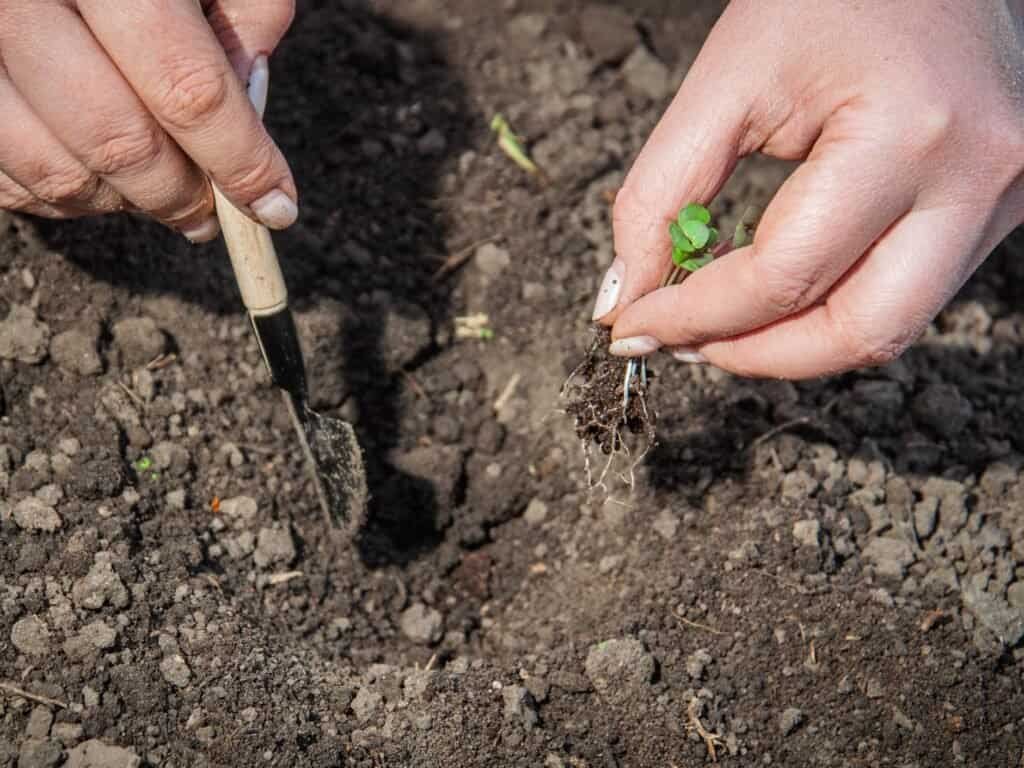
When working with a trowel, begin by gripping the handle firmly with a comfortable grip. Insert the blade into the soil at a slight angle, not straight down. This allows the pointed tip to penetrate the ground more easily, especially in hard or compacted soil. Loosen soil with a gentle rocking motion and lift out.
Dig a hole a little wider and deeper than the root ball of the plant. This gives the roots enough room to spread and establish. When the plant is in the hole, use the trowel to carefully fill soil back around it to cover the roots. Do not pack the soil too tightly, as this can hinder the movement of air and water.
Tips on Transplanting
Transplanting needs a little more care so as not to damage plant roots. Dig around the plant with a narrow or transplanting trowel, keeping a safe distance from the stem. Loosen the soil little by little and lift the plant together with the root ball. Minimise transplant shock by keeping as much soil on the roots as possible.
When you replant, dig a hole to the correct depth, normally the same depth as where the original plant was, with the trowel. Measurement markings on many trowels can help with accurate placement. Once in place, back-fill the soil gently and water the plant well.
Effective Weed Control
A garden trowel is another good tool to pull weeds with, especially those with deep roots. Run the blade into the soil next to the weed, pushing down until you are under the roots. Then use the trowel to pry the weed out of the ground a bit. The goal is to get the entire root out, as any part left behind can grow back.
For stubborn weeds, loosen the soil around them before attempting to remove them. This reduces the risk of breaking the root and makes it easier.
Working In Small Spaces
The trowel’s ability to work in confined areas is one of its biggest advantages. When gardening in pots or raised beds or in crowded spaces, practise slow and controlled movements so as not to disturb nearby plants. In these cases, a smaller or narrower trowel can give better precision.
Safety & Comfort Tips
If the soil is too hard, do not use excessive force that can cause strain or injury. Instead, water the area first to soften the soil. Dig with your wrist in a natural position, and take breaks if you are working in the garden for a long period of time. Wearing gloves can also increase grip and protect your hands.
In summary, a garden trowel is not just a digging tool, but one that you have to use with technique, control and care. Follow these simple methods and you will be able to work more efficiently, protect your plants and make your gardening experience more enjoyable.
9. How to Maintain and Clean Your Trowel
If you want your garden trowel to last for years and do its work efficiently, then you need to take proper care of it. A well-maintained tool saves you money on constant replacements and makes your gardening smoother and more efficient. Thankfully, caring for a trowel is simple and only requires a few consistent habits.
Cleaning After Each Use:
One of the most important steps is to clean your trowel after every use. The blade can collect soil, moisture and plant residue, which can lead to rust and degrade performance over time. After you are done with your gardening, rinse off dirt and debris with water. If the soil is stubborn, a brush or cloth can help dislodge any remaining particles.
After cleaning, always wipe the trowel dry with a towel. If kept wet, especially in humid conditions, it can accelerate the formation of rust, especially on carbon steel blades. This small step can greatly extend the life of your tool.
How to Prevent Rust
One of the biggest enemies of gardening tools is rust. To prevent this, make sure your trowel is completely dry before you store it. For extra protection, a light coat of oil can be applied to the blade from time to time. This creates a barrier against moisture and helps keep the metal in good condition.
If you see early signs of rust, don’t panic. It can often be removed. Scrub the rusty spot with sandpaper or a wire brush, then clean and oil the blade to return it to its surface.
Storage Tips
Where you put your trowel, and how you put it there, also matters. Don’t leave it outside, or exposed to rain and humidity. Instead, keep it in a dry, protected place, such as a tool shed, garage or storage box. You can hang your trowel on a hook or place it in a tool organiser to keep it clean and handy.
Some trowels even feature a hanging hole at the end of the handle for easier storage. Proper storage protects the tool and helps you stay organised.
Holding onto the Handle
You also need to pay attention to the handle of your trowel. If it is made of wood, check for cracks or dryness and apply oil occasionally to prevent it from splitting. Rubber or plastic handles: Clean with water and keep free of dirt and slippery materials.
It is also important that the handle and blade be securely attached to each other. If you see any looseness, it’s better to repair or replace the tool before it breaks in use.
Honing the Blade
Over time, the edge of your trowel can become dull, especially if you frequently work in tough soil. A little sharpening can help bring it back to life. Sharpen it with a sharpening tool or file to enhance cutting and digging capabilities.
Regular check-up
Finally, make it a habit to inspect your trowel on a regular basis. Look for signs of wear, rust or damage. “Identify small issues early and stop bigger problems later.
In conclusion, a simple but good routine is to maintain and clean your garden trowel. When properly maintained, your tool will continue to be dependable, efficient and ready to help you with your gardening chores for many seasons to come.
10. Frequently Asked Questions (FAQs)
When choosing and using a garden trowel, many gardeners—especially beginners—have similar questions. Below are some of the most common FAQs to help you make better decisions and get the most out of your tool.
What size trowel is best for gardening?
The best size depends on your gardening tasks. A standard 11–14 inch trowel is ideal for most general purposes, including planting and digging small holes. If you work in tight spaces or with indoor plants, a smaller trowel offers better control. For larger tasks or moving more soil, a slightly wider blade may be more efficient.
Is stainless steel better than carbon steel?
Both materials have their advantages. Stainless steel trowels are rust-resistant, easy to clean, and require less maintenance, making them ideal for most gardeners. Carbon steel trowels, however, are stronger and better suited for heavy-duty tasks like digging in compacted soil. The best choice depends on your gardening conditions and how much maintenance you’re willing to do.
How long does a garden trowel last?
A high-quality garden trowel can last many years, even decades, with proper care. Durability depends on the material, build quality, and how frequently it is used. Regular cleaning, drying, and proper storage can significantly extend its lifespan.
Can I use a trowel for all gardening tasks?
While a garden trowel is versatile, it is not suitable for every task. It works best for planting, transplanting, digging small holes, and weeding. For larger or heavier jobs, such as digging deep trenches or moving large amounts of soil, tools like shovels or spades are more appropriate.
What is the difference between a trowel and a spade?
A trowel is a small, handheld tool used for detailed work and precision tasks, while a spade is a larger tool designed for heavy-duty digging and cutting through soil. Trowels are ideal for small-scale gardening, whereas spades are used for larger outdoor projects.
Are expensive garden trowels worth it?
In most cases, yes. A higher-priced trowel often offers better materials, stronger construction, and improved comfort. While budget options can work for light use, investing in a quality tool will save you money over time by lasting longer and performing better.
How do I know if my trowel is good quality?
A good-quality trowel will feel solid, well-balanced, and comfortable in your hand. Look for a strong blade that does not bend easily, a secure handle connection, and materials that resist rust. Reviews and trusted brands can also help guide your decision.
Do I need more than one trowel?
Not necessarily, but having more than one type can be helpful. For example, a standard trowel for general use and a narrow trowel for transplanting can improve efficiency. As your gardening needs grow, you may find it useful to have specialized tools.
In summary, understanding these common questions can help you choose the right garden trowel and use it more effectively.
11. Conclusion
Choosing the right garden trowel may seem like a small decision but it makes a big difference to the enjoyment and efficiency of your gardening experience. Whether you are planting and transplanting, or weeding and preparing soil, you will use a good trowel over and over again. The wrong kind can lead to frustration, wasted effort, and even harm to your plants, while the right kind will make every job easier and more accurate.
In this guide, you’ve learned that the best garden trowel depends on several key factors like blade material, handle comfort, durability, and the type of gardening you do. Heavy-duty trowels for tough soil, compact ones for small spaces, ergonomic ones for comfort—there’s a perfect tool for your needs.
It is also important to avoid common mistakes like choosing weak materials or ignoring comfort and usability. Buying a good quality trowel and looking after it well will mean it lasts for years and continues to work well.
Just a quick reminder to always match your trowel to the jobs you’re doing, to opt for durability and comfort, and to care for your tools after each use. This will not only improve your gardening results but also make the process more enjoyable.
And the best garden trowel at the end of the day is the one that works with you, not against you, to help you grow healthier plants with less effort. 🌱