
The most important skill in gardening is pruning, especially for those growing plants in small spaces such as balconies, patios, container gardens or small urban yards. Pruning is simply the careful cutting or removal of parts of a plant such as branches, stems or leaves to improve health, shape and productivity. It may seem daunting for the novice, but pruning is a pretty simple technique that can make a world of difference in the growth and health of plants.
Pruning is even more important for gardeners working with limited space. In small gardens, plants can become overcrowded quickly, blocking sunlight, limiting air circulation and competing for nutrients. Unpruned plants might become too big for their containers or garden beds, resulting in weak growth and fewer flowers or fruit. Prune regularly to keep the plants within limits, to encourage growth and to keep your garden tidy.
Pruning also helps keep plants healthy, which is another benefit. Trimming away dead, damaged or diseased branches helps to prevent pests and plant diseases from spreading, and encourages new, healthy branch growth. Good pruning can also encourage plants to produce more flowers, fruit and thick foliage, making your small garden more lively and productive.
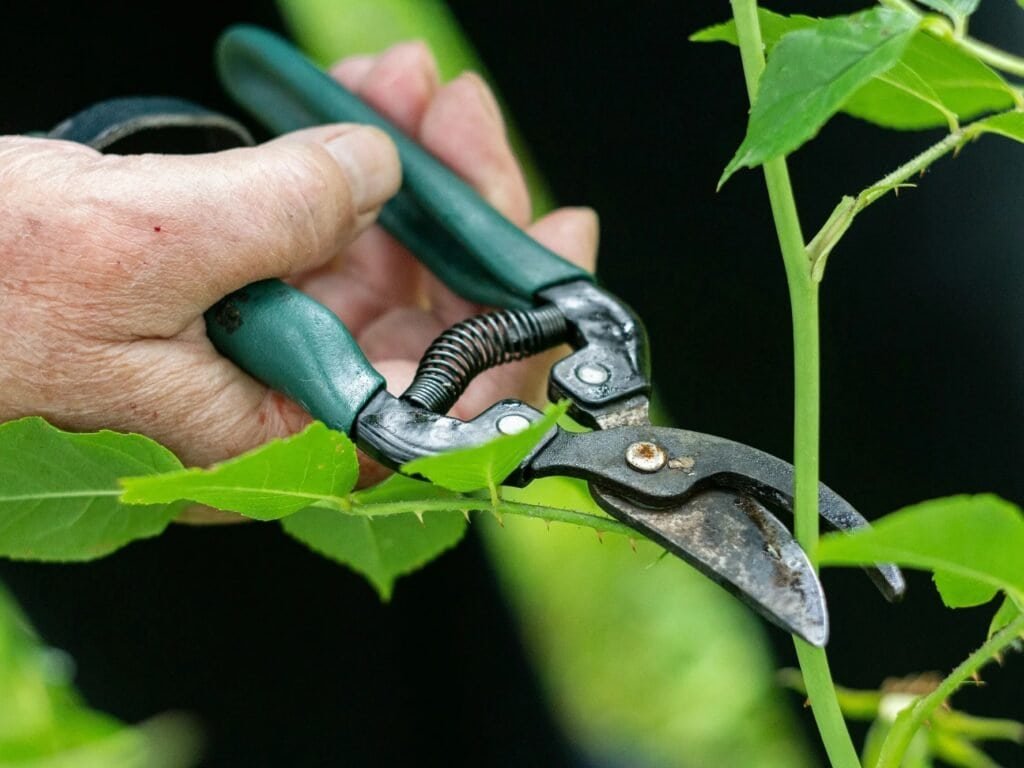
In this beginner’s guide, we’ll look at the necessary tools and simple pruning techniques that work best in small spaces. Whether you’re growing herbs on your balcony, caring for houseplants indoors, or looking after a small garden in your backyard, knowing the correct pruning methods will help you to make the most of your limited space and keep your plants healthy all year round.
Benefits of Pruning in Small Spaces
Pruning is an important part of plant maintenance. This is even more true in small gardens, balconies, patios, and container areas where every inch counts. In small spaces plants can get too crowded as they grow larger. This can result in poor growth, less airflow and lower productivity. Gardeners prune regularly to control plant growth, keeping the garden tidy, healthy and attractive.
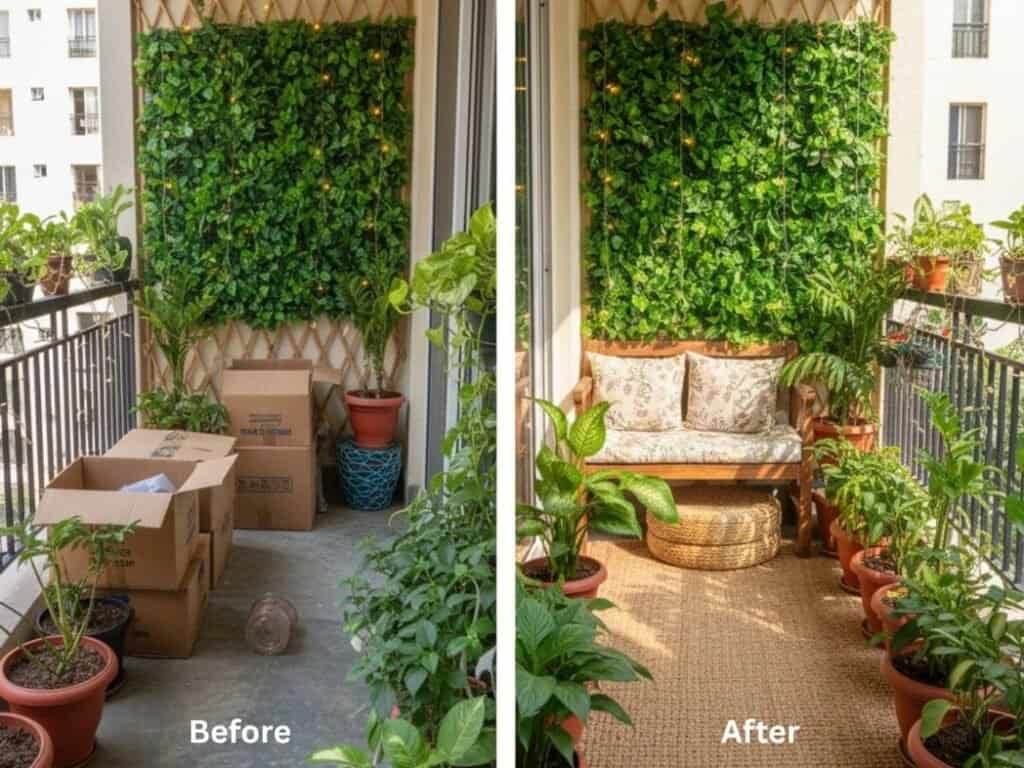
Encouraging Healthy Plant Growth
One of the biggest pluses of pruning is that it encourages stronger, healthier plant growth. By removing branches that are dead, weak, or damaged, the plant can direct its energy into new growth and leaves. This process makes the plants grow more vigorously and improves their general structure.
Healthy growth is particularly important in small spaces where plants need to maximize limited resources such as sunlight, water and nutrients. Pruning gets rid of excess growth so that the plant can put energy into stronger stems and healthier foliage.
Controlling Plant Size and Shape
Plants will naturally grow in all directions and this can become a problem to a quick in small gardening areas. Without regular pruning, plants can outgrow their pots or spread into neighboring plants, creating a crowded, messy garden.
Pruning helps gardeners control the size and shape of the plants, making them more suitable for small spaces. For example, cutting back long stems or branches keeps plants compact and manageable. This is especially useful for container plants, balcony gardens and indoor houseplants where space is limited.
A controlled shape also enhances the appearance of the garden thus creating a cleaner, more organized environment.
Improving Air Circulation and Light Exposure
In dense gardens or containers plants may shade lower leaves and others easily. Poor air circulation and insufficient lighting can increase the risk of fungal diseases, mold, and pest infestations.
This is where pruning comes in – it opens up the plant structure for better air circulation and sunlight penetration. Ensuring that all parts of the plant get light and air encourages healthier growth and lessens the likelihood of disease spreading through the garden.
This is especially useful for herbs, vegetables and flowering plants grown in tight spaces such as balconies or window boxes.
Increasing Flowering and Fruit Production
Another great advantage of pruning is that it can boost the production of flowering and fruit. This allows the plant to focus its energy on producing flowers, fruits and fresh leaves rather than maintaining unnecessary branches.
For example, pruning herbs such as basil encourages bushier growth and continuous leaf production. Similarly, deadheading, or removing old or spent flowers from ornamental plants, can stimulate new blooms throughout the growing season.
If you have a small garden and productivity is important, proper pruning will help ensure the plant is doing the best it can in the least amount of space.
Overall, regular pruning helps gardeners keep their plants healthier and more productive, and helps keep small gardening spaces neat and manageable. It is a simple, yet powerful technique that can greatly improve the success of any small-space garden.
Understanding Basic Pruning Principles
As a beginner there are a few basic principles you should understand before you pick up the pruning tools. Pruning is not simply about randomly cutting branches off. It’s about making thoughtful cuts that help the plant grow healthier, stronger and more productive. Proper pruning improves the structure of the plant, encourages new growth, and prevents disease. Knowing the basics will allow gardeners to prune with confidence and not harm their plants.
When to Prune Different Types of Plants
Timing is one of the most important elements of successful pruning. You need to prune different plants at different times of the year. The best time to prune many plants is in the dormant season, generally late winter or early spring. Since plants are not actively growing during this time, pruning will create less stress, and plants will recover quickly when the growing season begins.
But some plants need different timing. Prune shrubs that bloom in spring, such as lilacs and azaleas, right after they finish flowering. If you prune them too early, you could cut off the buds that will become flowers. On the other hand summer-blooming plants can often be pruned in early spring to encourage vigorous growth and lots of blooms.
In small gardens, light pruning of herbs and fast-growing plants can be done often during the growing season. Regular trimming also promotes bushier growth and prevents plants from outgrowing small spaces.
Identifying Dead, Diseased, and Damaged Branches
One of the easiest and most important pruning practices is to remove dead, diseased, or damaged branches, or the “three Ds” as they’re often called. These branches are no longer contributing to healthy plant growth, and in fact may even be detrimental to the plant if left alone.
Dead branches are often dry and brittle and are devoid of healthy green tissue. Discoloration of branches, spots or signs of pests may indicate disease. Strong winds, accidents and the weight of new growth can all damage branches.
Removing these problem parts aids in stopping the spread of disease and pests and enables the plant to focus its energy on healthy growth. This is the first step that gardeners are often advised to take before they do any other pruning.
The Importance of Proper Cutting Angles
But the right cut is key to helping them heal properly and encouraging new growth. In general, when pruning you want to make your cut just above a bud or node (where new growth will come from). Cut too far from the bud and you can leave a stub that may rot or attract pests. Cut too close and you can damage the bud itself.
Another good technique is to cut at a slight angle, not straight across. When cuts are done at an angle , water will run off the surface instead of pooling in the cut area . This reduces the risk of rot and fungal infections .
Sharp, well-maintained pruning tools are important because clean, precise cuts heal faster. If blades aren’t sharp they will crush the plant tissue rather than cut it cleanly and the plant will be more susceptible to disease.
For beginners, learning these basic pruning principles develops good gardening habits. With the right timing, careful observation and correct cutting techniques, pruning can be a simple, effective way to keep plants healthy in even the smallest of gardening spaces.
Essential Pruning Tools for Small Spaces
Having the right tools is an important part of successful pruning. This is especially true when you are working in small gardens, balconies, patios or indoor plant areas. Gardeners need tools that are easy to handle, and efficient in close quarters because compact spaces often require precise, careful trimming. Using the right pruning tools will not only make the job easier, but will help you avoid unnecessary damage to plants.
Hand Pruners (Secateurs)
The most important tool for pruning is a pair of hand pruners, or secateurs. They are small handheld cutting tools for trimming stems, small branches and plant shoots. Hand pruners are small and cut precisely, making them ideal for gardening in small spaces.
Hand pruners come in two common types: bypass pruners and anvil pruners. Bypass pruners cut like a pair of scissors. They have two curved blades that slide past each other to make a clean cut. These are usually the preferred option for most plants as they do the least damage to plant tissue. Anvil pruners, however, have one sharp blade that cuts against a flat surface and are better for cutting dead or dry branches.
Hand pruners are great for trimming herbs, flowers, small shrubs and houseplants.
Pruning Shears
Hand pruners are sometimes called pruning shears. However, pruning shears can also refer to larger cutting tools used to cut thicker stems or lightly trim branches. These tools give you a little extra leverage for cutting branches that are just a bit too big for regular hand pruners.
In small gardens, pruning shears are useful for shaping plants, removing overgrown stems, and keeping plants compact. The sharp blades cut cleanly and help the plants to recover more quickly.
Compact Loppers
Loppers are pruning tools with long handles and stronger cutting blades. They are used to cut thicker branches that hand pruners cannot cut. Conventional loppers can be rather large but many manufacturers now produce compact or lightweight models that are well suited for small gardening spaces.
These tools give you a little more leverage and help when cutting branches up to 1-2 inches thick. Compact loppers are useful for pruning small trees, shrubs or woody plants in small garden areas.
Folding Pruning Saws
A folding pruning saw is a handy tool for branches that are too thick for pruners or loppers. These saws have teeth that are sharp enough to cut the wood, but not to harm the plant.
Folding pruning saws are particularly useful for small gardens as they are portable, safe to store and easy to transport. When folded, the blade is safely enclosed within the handle, making it safe to store in a gardening toolbox or small storage area.
Gardening Gloves and Safety Gear
Cutting tools are important but safety gear is equally important while pruning plants. Gardening gloves protect your hands against thorns, sharp branches and rough plant surfaces. Also, they give a better grip when using pruning tools.
Sometimes it is also good to wear safety glasses when pruning thicker branches, because sometimes small pieces of wood or debris can fly out during the cut.
In summary, a small collection of reliable pruning tools can make gardening a lot easier and more rewarding. For beginners working in confined spaces, a pair of quality hand pruners, compact loppers and a folding pruning saw will usually be enough for most pruning tasks to keep plants healthy and well-maintained.
Choosing the Right Tools for Tight Areas
Gardening tools for small areas such as balconies, patios, rooftop gardens or small backyard beds are made especially for small working spaces. In large gardens, you can get away with using bulky equipment, but small space gardening requires compact, lightweight and precise tools that allow you to work comfortably and not damage nearby plants. The right pruning tools for tight spaces can lead to more accuracy, efficiency and overall safety in your gardening.
Compact and Lightweight Tools
Size and weight are important considerations when selecting pruning tools for small spaces. Big tools are hard to move in cramped areas, particularly when plants are tightly spaced in containers or small garden beds.
Small tools enable gardeners to work among plants without disturbing the surrounding foliage. Light-weight pruners, mini loppers and folding pruning saws are great because they reduce hand fatigue and allow greater control when pruning. These tools are also easier to store, which can be especially helpful for gardeners with limited storage space.
In small gardens precision is key. Smaller tools give you more control, allowing you to make precise cuts without nicking neighboring stems or leaves.
Ergonomic Handles for Better Control
Another major consideration in the selection of pruning tools is the ergonomic design. Tools with comfortable, slip-resistant handles can help reduce strain on the hands and wrists, especially during longer pruning jobs. The ergonomic handles are designed to fit naturally in the hand to relieve pressure and maintain control while cutting.
Many of today’s pruning tools have rubber-coated handles or curved handles that offer more comfort and stability. This is a great feature for new gardeners who may still be learning their pruning technique. Comfortable tools also help you to perform delicate tasks, such as trimming herbs or shaping ornamental plants.
Ergonomic tools can make pruning safer and easier in tight gardening spaces where you need to make accurate movements.
Tools Designed for Balcony or Indoor Gardening
Some gardening tools are designed for small-scale gardening environments like balcony gardens, indoor plant collections, and container gardening setups. They tend to be smaller and more specialized , which makes them ideal for cutting delicate plants or maintaining neat and compact plant arrangements .
Micro-tip pruning snips are perfect for trimming flowers, herbs and small houseplants. Their narrow blades enable gardeners to cut in tight places, making precision cuts without damaging surrounding growth. These are particularly useful tools for densely planted containers or vertical gardens.
Tools with shorter handles or narrower cutting heads are also ideal for pruning plants that are planted close together. They allow the gardener to work carefully in tight spaces without knocking over containers or damaging nearby plants.
Durability and Blade Quality
In small gardens it is also important to choose tools that are constructed from high quality materials. Blades made of stainless steel or hardened steel stay sharper longer, resist rust and help make clean cuts. Sharp blades are important as they don’t crush the plant tissue and allow plants to heal faster and less prone to disease.
Durable tools may cost a little more at the outset, but they usually last longer and do a better job in the long run.
Having the right tools for tight gardening areas can make pruning much easier and more satisfying. Gardeners need a compact size, ergonomic design and high-quality blades to keep plants healthy and work comfortably in tight spaces. Small gardens can be easily and perfectly maintained with the right equipment.
Basic Pruning Techniques for Beginners
A few basic pruning techniques can make a big difference in the health and appearance of plants, especially in small gardens, containers, or indoor areas where the growth of plants needs to be carefully controlled. Pruning isn’t just about cutting branches, it’s about guiding plants to grow healthier and be more productive. Newbies can keep the plants well, prevent overcrowding and encourage better growth by learning a few simple techniques.
Thinning Cuts
For the beginner, thinning is one of the most useful pruning techniques. This technique involves removing an entire branch or stem at its base, generally where it joins another branch or the main stem. The purpose of thinning is to reduce the plant density and to allow more light and air to penetrate into the interior parts of the plant.
This is particularly useful in small gardening spaces to prevent plants from becoming overcrowded. When branches overlap or grow too close together, they may block sunlight and restrict airflow, which can cause disease or weak growth. We Prune selected branches to open up the structure and promote healthier growth.
Thinning also helps keep the plant in its natural shape without having to force it into an unnatural one.
Heading Cuts
Heading cuts are cuts that cut a branch back to a bud or smaller side branch. This technique stimulates the plant to produce new shoots from the buds that remain, leading to a fuller, bushier growth.
For plants grown in containers or limited space, heading cuts are especially useful for controlling plant height and size. For example, pruning back long stems on ornamentals or small shrubs will keep them compact and in good shape.
But beginners should be wary of overdoing the heading cuts. If you cut too much, you can get thick growth that blocks sunlight and air from reaching the plant. This technique is most effective when used in moderation with a properly balanced plant structure.
Pinching
Pinching is a mild form of pruning where you use your fingers or small pruning snips to cut the soft tips of young stems. This technique is often used on herbs, flowering plants and certain houseplants.
By pinching off the growing tip you encourage the plant to produce several side shoots which results in a fuller, more compact plant. This method is particularly effective for herbs like basil, mint, and oregano, which react well to light pruning.
Pinching is a quick and easy technique, making it ideal for novice gardeners with plants in small pots or in balcony gardens.
Deadheading
Deadheading is the act of removing faded or dead flowers from plants. This technique might seem simple, but it is important for encouraging continued flowering.
If the plant has old flowers, it may be trying to make seeds instead of new flowers. Removing these flowers allows the plant to channel its energy into producing additional blooms. This is especially useful for ornamental plants grown for their decorative flowers.
Deadheading also improves the appearance of plants, keeping them neat and lively throughout the growing season.
In short, these basic pruning methods—thinning, heading, pinching, and deadheading—give beginners effective ways to control plant growth in tight quarters. With regular practice and careful observation these techniques can be used by gardeners to keep their plants healthier and more attractive and to get the most out of small gardening spaces.
Pruning Techniques for Common Small-Space Plants
When gardening in a small space, such as a balcony, patio, container garden, or indoors, your pruning techniques can vary depending on the type of plant you are growing. Different plants respond differently to pruning and knowing what they need helps the gardener to maintain healthy growth while keeping the plants compact and productive. For beginners, simple pruning techniques for common small-space plants can help improve both plant health and garden organization.
Herbs (Basil, Mint, Rosemary)
Herbs are one of the most popular plants for small-space gardening. They grow well in containers and take up relatively little space. Herbs require frequent pruning to encourage bushier growth and the formation of new leaves.
Herbs such as basil and mint are usually pruned by pinching or snipping off the top growth. Pinching out the growing tips encourages the plant to produce several side shoots, resulting in a fuller plant with more leaves to harvest. It is better to prune herbs regularly than to let them grow tall and leggy.
Light trimming can be done with hand pruners to keep Rosemary and other woody herbs in shape. Remove old or woody stems to encourage new growth and avoid the plant becoming too dense.
Small Fruit Plants (Tomatoes, Strawberries)
If you grow fruit-bearing plants in small spaces, they often do well with proper pruning. Tomato plants often produce side shoots called suckers that grow between the main stem and branches. Removing these suckers allows the plant to concentrate on producing fruit instead of excess foliage.
Pruning tomato plants also allows for better air circulation and sun exposure, helping to lower the chances of fungal diseases. Controlling the size of the tomato plant can help small gardens or containers to avoid overcrowding and make the plant easier to handle.
Strawberries don’t usually need as much pruning, but if you want to keep the plant compact, remove old or damaged leaves and cut back runners. By removing unnecessary runners, the plant can focus more of its energy on producing fruit.
Ornamental Plants and Flowers
Ornamental plants and flowering species often need pruning to maintain their shape, appearance and flowering performance. With flowering plants, the common practice is called deadheading, or removing flowers that have faded or are spent. This encourages the plant to spend its energy making new flowers rather than making seeds.
Some ornamental plants may need light shaping cuts to keep them compact and balanced. In small gardens, cutting back overgrown stems will help to prevent plants from spreading into nearby containers or blocking sunlight from other plants.
Regular pruning also helps maintain the overall appearance of ornamental plants, keeping them tidy and attractive during the growing season.
Indoor Houseplants
Another common feature of small-space gardening is houseplants. They tend to grow more slowly than plants outside, but occasional pruning is still important to keep them healthy.
Indoor plants that don’t get enough light often grow long leggy stems. Pruning these stems will encourage fuller growth and help the overall shape of the plant. Removing yellow or damaged leaves will also help keep the plant healthy and attractive.
For houseplants like pothos, philodendrons or rubber plants, cut above a node so new growth will sprout from there. This results in a more balanced and thicker plant structure.
General pruning techniques may vary with the type of plant but the main aim is the same; to keep healthy, compact and productive plants in limited spaces. Gardeners can benefit from knowing how different plants respond to pruning both in managing their small gardens and in having healthier, more vibrant plants throughout the year.
Tips for Pruning in Limited Space Gardens
When working in small or restricted garden spaces, pruning needs a slightly different approach than in larger gardens. Careful pruning is important to keep plants healthy and to maximize the space when they are growing in containers, on balconies, on rooftops or in small backyard beds. Gardening in a small space is challenging, but there are a few practical techniques that can help keep plants manageable, productive, and attractive.
Pruning for Vertical Gardening
Vertical gardening is a favorite solution for small-space gardening, as it enables plants to grow upwards rather than outwards. Many gardeners grow plants like tomatoes, cucumbers, beans and flowering vines on trellises, wall planters, hanging baskets or vertical frames.
Vertical gardening is incomplete without pruning, as it helps to direct the growth of plants in the right way. Removing excess side shoots and cutting back overly long stems will keep the plant tidy and prevent it from becoming tangled. This also allows for better sun exposure and air flow, both of which are needed for healthy plant growth.
Pruning vertically growing plants helps remove weak or unnecessary growth so the plant can focus its energy on producing stronger stems, flowers or fruit.
Managing Container Plants
Container gardening is one of the most popular methods for small spaces. However, plants in containers often have limited root space and nutrient access and require regular maintenance to keep them healthy.
Pruning container plants helps to control the size of the plant and keep it from getting too large for its pot. If plants become root bound, they may not be able to take up enough water and nutrients. A light pruning helps keep in balance the plant’s above-ground growth and its roots.
Gardeners should prune dead leaves, damaged stems or overcrowded branches to keep container plants healthy. It improves the air circulation around the plant and reduces the risk of pests and diseases.
Regular trimming can also promote tighter growth, which is helpful for decorative plants in balconies or patios.
Keeping Plants Compact and Productive
Keeping plants from getting too big or out of hand is one of the biggest problems in small gardens. If plants are not pruned regularly, they can quickly outgrow their pots or shade nearby plants.
Light pruning should be a regular feature of the gardener’s routine, not heavy pruning an occasional practice, if you want to keep plants compact. Trimming off small amounts of growth on a regular basis helps the plant maintain its shape and keeps it from getting too large.
Pinching off new growth tips, cutting back long stems and removing unwanted branches encourages plants to grow more fully and bushily. This is especially useful for herbs, flowering plants and small shrubs in small growing spaces.
Also, if you keep your plants compact, the garden looks better and many plants can be grown in the same small space.
Planning Your Pruning Routine
Routine pruning can make small space gardening much easier to manage. Gardeners can check plants weekly for dead leaves, overgrown stems or crowded branches and take care of problems early before they become difficult to control.
With a little observation and some simple pruning techniques, gardeners can get the most out of their limited space and keep their plants healthy.
In the end, good pruning keeps small gardens neat, productive, and attractive, so that garden lovers can enjoy lush plants even in the tiniest quarters.
Common Pruning Mistakes Beginners Should Avoid
Pruning is a vital skill in gardening, but beginners often make mistakes which can have a negative effect on the health and growth of plants. Pruning aims to improve a plant’s structure and productivity, but incorrect techniques can weaken plants, decrease flowering or fruit production, and even lead to disease. Knowing the most common pruning mistakes can save gardeners from problems and help them keep their plants healthier — and in small-space gardens, every plant counts.
Over-Pruning Plants
Beginners often make the mistake of removing too much of the plant at once. Pruning is important to control growth, but if you prune too much you can stress the plant and reduce its ability to make leaves, flowers or fruit.
Plants make energy by photosynthesis. They need leaves to do this. Too many leaves or branches cut away could mean the plant cannot recover and grow well. In some cases, heavy pruning can retard growth or permanently damage the plant.
As a rule of thumb, don’t take more than 25-30% of a plant’s growth at a time. Heavy pruning is not advisable; it is better to prune lightly and regularly throughout the growing season.
Using Dull or Incorrect Tools
Another common mistake is pruning with dull, dirty or inappropriate tools. Dull blades will crush the stems of plants instead of cutting them cleanly. This can cause damage to plant tissue and openings for pests or disease.
Mishandling is also an issue. Using small hand pruners to cut thick branches can damage both the pruners and the plant. Make sure you use the appropriate tools for the size and type of branches you are trimming.
Pruning tools should be kept clean and sharp to make clean cuts that heal fast and reduce the chances of plant infections.
Pruning at the Wrong Time
Timing has a lot to do with successful pruning. Many new pruners prune the plants without considering the natural growth cycle of the plant. If pruning is carried out at the wrong time, flower buds may be removed, fruit production reduced or normal plant development disrupted.
For example, early pruning of spring-flowering plants may remove the buds that would develop into flowers. Likewise, it can be unnecessary to remove stress from some plants by pruning them in extreme heat or cold.
Gardeners should learn the best pruning season for each type of plant to avoid this mistake. Most plants respond best to pruning in late winter or early spring, while they are still dormant.
Ignoring Plant Growth Patterns
Every plant has a natural way of growing, and if you don’t take this into account you will end up with poor pruning. Some new gardeners prune plants into unnatural shapes or cut off branches without consideration of how it grows in nature.
Pruning is not done to fight the plant’s structure but to improve it. Gardeners are better able to decide when to prune when they can see how the branches grow and where new buds are formed.
For instance, if you prune the branches just above the outward-facing buds, the plant will tend to grow outward rather than crowding the middle.
Neglecting Plant Health Checks
One thing you shouldn’t do is only shape the plant and not care about dead, diseased or damaged branches. These are the first parts to go during pruning, as they are capable of spreading disease to the rest of the plant.
Regular inspections of plants enable gardeners to identify problems early, resulting in healthier plants.
Learning how to prune better, avoid these common pruning mistakes and keep your plants stronger, healthier and more productive, even in small gardening spaces is something beginners can do.
Maintaining and Cleaning Your Pruning Tools
Proper maintenance and cleaning of pruning tools is important for the health of the plant as well as the life of the tool. Most gardeners are so busy worrying about their pruning, they forget to take care of their tools. Dirty, dull or poorly maintained tools can damage plants, spread disease and make pruning more difficult. Gardeners can help encourage safer and more effective gardening practices, especially in small spaces where plants tend to be close together, by keeping their pruning tools clean, sharp and stored properly.
Sharpening Blades
Sharp blades are one of the most critical features of any pruning tool. Dull blades tend to crush and tear plant tissue instead of making clean cuts. Damaged plant tissue takes longer to heal and is more susceptible to pests, bacteria and fungal diseases.
Regular sharpening of pruning tools results in smooth, accurate cuts that enable plants to recover quickly. Gardeners can sharpen pruning blades with a hand sharpening stone, a file, or a special sharpener designed for garden equipment.
When sharpening blades it is important to maintain the original angle of the blade to ensure proper cutting performance. A little sharpening a few times during the gardening season can do a lot to increase the effectiveness of pruning tools.
Cleaning to Prevent Plant Diseases
Sharpening is only part of the job, you also need to keep your cleaning and pruning tools in tip-top condition. Tools come into contact with plant sap, dirt and sometimes diseased plant material directly during pruning. Tools that are not cleaned properly may transfer plant diseases from one plant to another.
This problem can be avoided by a simple cleaning routine. After each pruning, gardeners should wipe the blades with a clean cloth to remove dirt and plant residue. To disinfect more thoroughly, use rubbing alcohol, a diluted bleach solution or a commercial garden disinfectant on your tools.
Make sure to clean the blades in between cuts, especially when pruning plants that show signs of disease, so you don’t spread the infection to healthy plants.
Cleaning on a regular basis also prevents rust and buildup on the blades, which can affect the performance of the tool.
Oiling and Rust Prevention
Metal pruning tools can become exposed to moisture, plant sap, and outdoor conditions over time and can rust. Apply a light coat of lubricating oil or machine oil to the blades and moving parts to prevent corrosion on your tools.
Oiling also helps moving parts such as springs and joints work smoothly. This allows pruning tools to open and close with ease, lessening the strain on the hands.
Cleaning the tools and then drying them, usually a light coat of oil rubbed in with a soft cloth is enough to keep the tools in good shape.
Proper Storage
Another important part of maintenance is proper storage of pruning tools. To prevent moisture and rust, tools should always be stored in a dry and clean area. Many gardeners keep their tools in a toolbox, gardening bag, or wall-mounted rack for easy access.
Space-saving storage solutions are especially helpful for gardeners with limited space. Hanging tools on hooks or keeping them in small containers keeps them organized and prevents them from being accidentally destroyed.
Pruning saws should be folding and closed when not in use. Pruners should be locked when not in use.
Developing a Tool Care Routine
Pruning tools don’t require much maintenance but do require regular attention. A little cleaning, sharpening, oiling and proper storage will keep your gardening tools in good condition for many years to come.
Tools in good condition last longer and make pruning easier and safer. Above all, they help gardeners make clean cuts that safeguard plant health and encourage strong, healthy growth.
Quick Beginner Pruning Checklist
Pruning can be a confusing or intimidating task for the beginning green thumb. But a simple checklist can be a big help to make the process easier and more organized. A pruning checklist helps gardeners to remember the important steps to take before, during and after pruning to keep plants healthy and well-maintained. This is especially important in small gardens, balcony situations or container scenarios where plants are often grown in close proximity and require careful tending.
Inspect Your Plants First
Always take the time to observe and inspect the plant carefully before making any cuts. Look for dead, damaged or diseased branches. These should normally be the first to be removed when pruning.
You can also check the overall structure of the plant to see how it is growing. Look for branches that cross, are crowded, or shade the sun. A few minutes of observation can save you from unnecessary cuts and help you get better at pruning.
Choose the Right Tools
Using the right pruning tool is critical for making clean cuts and protecting plant health. Usually you can cut small stems and soft branches with hand pruners or pruning snips. For thicker branches you might need loppers or a pruning saw.
Make sure your tools are sharp and clean when you start. Sharp tools make clean cuts which heal faster, but dirty blades can spread plant diseases. Having the right tools at hand also makes the pruning process faster and safer.
Remove the “Three Ds”
A good rule of thumb in the gardening world is to start by removing the three D’s – dead, diseased and damaged branches. These portions of the plant are no longer contributing to healthy growth and if left untreated could even be harming the plant.
Dead branches are usually dry and brittle, diseased branches might have discoloration or spotting, and damaged branches might look broken or weak. By cutting these parts out first it promotes health in the plant, and prevents further disease spread.
Make Proper Cuts
When pruning, always try to make clean and accurate cuts. Most cuts should be made just above a bud or node, from which new growth can be produced. Cut too far away and you could leave a stub that will attract pests; cut too close and you could damage the bud.
Cutting at a slight angle is also good practice so that water does not pool on the cut surface. This small detail prevents rot and helps the plant to heal faster.
Avoid Removing Too Much Growth
One of the cardinal rules of pruning is to not take too much off at once. New gardeners are not advised to cut off more than about a quarter of a plant at a time. Taking too many leaves can stress the plant and delay its recovery.
Instead, prune lightly and regularly to gradually shape and maintain the plant.
Clean Up After Pruning
After pruning, remove fallen leaves, branches and plant debris from around the garden. It also keeps the area tidy and helps to prevent the development of pests or diseases in leftover plant material.
Finally, clean up your pruning tools and store them properly, so that they’re ready for the next gardening session.
This simple pruning checklist will give the beginning gardener the confidence to start pruning. Plants can be kept healthy, productive and shapely – even in small gardening spaces – with careful cutting, proper maintenance and a regular schedule of observation.
Conclusion
Pruning is a simple but powerful gardening practice that can dramatically improve the health, appearance and productivity of plants, especially in small gardens, balconies and container spaces. Learning how and when to prune might seem intimidating at first for beginner gardeners, but with the right tools and basic techniques, it quickly becomes an easy and rewarding part of plant care.
This guide has walked you through the key tools, simple pruning guidelines and easy techniques for beginners to keep plants healthy in small spaces. You can encourage healthier growth and keep plants compact and manageable by pruning at the right time, making clean cuts and using the right tools.
Regular pruning also has some important benefits. This results in better air circulation, more sunlight, and improved plant structure, all of which will give you stronger, more productive plants. If you are growing herbs on a kitchen windowsill, flowers on a balcony or vegetables in small containers, correct pruning can help the plants to thrive even in limited space.
You should learn the techniques and avoid the common mistakes. Over-pruning, dull tools, or pruning at the wrong time can cause stress to plants and reduce growth. A simple pruning routine and observing how plants respond will help beginner growers build confidence and skill step-by-step.
In the end, pruning is more than simply cutting plants—it’s about directing their growth and establishing a balanced, healthy garden. With patience and consistent care you can convert even the smallest garden space into a lush, thriving sanctuary of plants.
1 thought on “A Beginner’s Guide to Pruning in Small Spaces: Tools and Techniques”