A manual lawn sweeper is a simple yet highly effective tool designed to collect leaves, grass clippings, twigs, and other lawn debris without fuel or electricity. Unlike powered lawn vacuums or leaf blowers, a manual sweeper operates using rotating brushes that spin as you push the unit forward. These brushes lift debris from the lawn surface and deposit it into a collection hopper, keeping your yard clean with minimal effort.
Many homeowners choose manual lawn sweepers because they are eco-friendly, affordable, and easy to maintain. Since they don’t rely on gas or batteries, they produce zero emissions and operate quietly, making them ideal for environmentally conscious users and neighborhoods with noise restrictions. They are also typically more budget-friendly than powered alternatives and require very little maintenance—no engine servicing, fuel refills, or complex repairs.
However, while manual lawn sweepers are straightforward to use, proper operation is essential for achieving the best results. Using the sweeper incorrectly can lead to poor debris pickup, unnecessary brush wear, and frustration during cleanup.
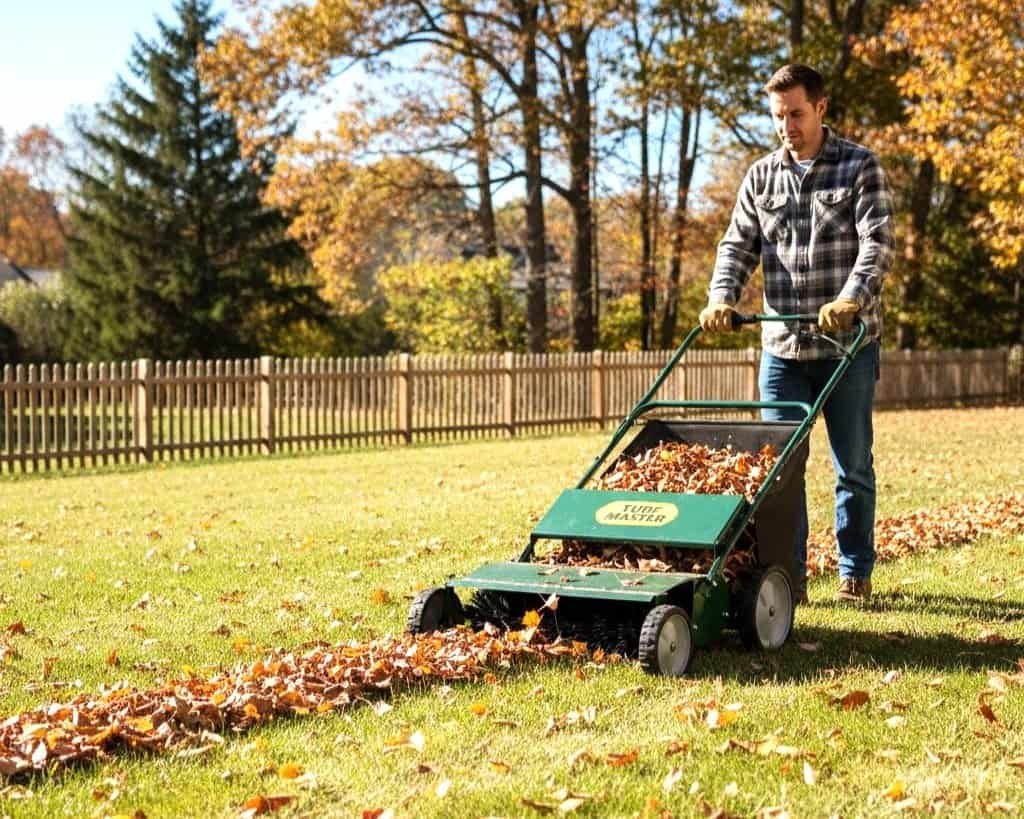
In this article, we’ll explore the most common mistakes people make when using a manual lawn sweeper—from sweeping wet grass to setting the wrong brush height—and how to avoid them to keep your lawn looking its best.
Table of Contents
Understanding How a Manual Lawn Sweeper Works
Before diving into common mistakes, it’s important to understand how a manual lawn sweeper actually works. While the tool may look simple, its performance depends heavily on proper setup and operation.
A manual lawn sweeper operates using a rotating brush system connected to the wheels. As you push the sweeper forward, the wheels turn, which activates the internal brushes. These spinning brushes sweep debris—such as leaves, grass clippings, and small twigs—upward and into a collection hopper or bag. The entire mechanism is powered purely by motion, meaning no fuel, batteries, or electricity are required.
There are two primary types of lawn sweepers: push models and tow-behind models. Push lawn sweepers are designed for smaller residential lawns and are manually operated by walking behind the unit. Tow-behind sweepers, on the other hand, attach to riding lawn mowers or lawn tractors and are ideal for larger properties. While both types operate on the same basic brush-and-hopper principle, push models require more attention to walking speed and brush height for optimal performance.
One of the most important components of a manual sweeper is the adjustable brush height. The brushes must make light contact with the grass surface to effectively lift debris. If set too high, the brushes will miss debris entirely. If set too low, they may dig into the turf, wear out quickly, or become difficult to push. Proper adjustment ensures maximum efficiency and prolongs the life of the equipment.
The collection hopper is another key feature. As debris is swept upward, it’s directed into this storage compartment. When the hopper becomes full, the sweeper becomes heavier and less effective. Regular emptying helps maintain consistent performance and makes the unit easier to push.
Surface conditions also play a significant role in how a manual lawn sweeper functions. These tools perform best on dry, relatively even lawns. Thick thatch, wet grass, or uneven terrain can reduce brush efficiency and make debris pickup more challenging. Understanding these limitations helps set realistic expectations for what the tool can and cannot do.
In essence, a manual lawn sweeper is a mechanical system that relies on motion, brush contact, and proper adjustment to function effectively. When used correctly, it offers a quiet, eco-friendly, and efficient way to maintain a tidy lawn. However, because its operation depends on technique and setup rather than motorized power, small mistakes—like improper height adjustment or incorrect walking speed—can significantly impact performance.
With this basic understanding of how the tool works, you’ll be better prepared to avoid the common errors that reduce efficiency and lead to frustration.
Mistake #1: Using It on Wet Grass or Leaves
One of the most common mistakes homeowners make when using a manual lawn sweeper is operating it on wet grass or damp leaves. While it may seem harmless to sweep your lawn right after rain or early in the morning when dew is still present, moisture can significantly reduce the sweeper’s performance and even cause long-term damage.
Manual lawn sweepers are designed to work best in dry conditions. Their rotating brushes rely on friction and light contact with the lawn surface to lift debris into the hopper. When grass clippings or leaves are wet, they become heavier and tend to stick to the ground rather than lift easily. Instead of being swept cleanly into the collection bag, damp debris may clump together or get pushed forward, leaving streaks behind.
Wet material also increases the likelihood of clogging. Moist leaves and grass can accumulate around the brushes or inside the chute that directs debris into the hopper. Over time, this buildup reduces brush efficiency and forces you to stop frequently to clear blockages. Not only is this frustrating, but it also makes the job take much longer than necessary.
Another issue with sweeping wet lawns is the added strain on the equipment. Because damp debris is heavier, the brushes must work harder to rotate and lift it. This can accelerate brush wear and potentially damage internal gears, especially in lower-end models. Additionally, pushing a lawn sweeper across wet turf requires more physical effort, making the task unnecessarily tiring.
Using a sweeper on wet grass can also negatively affect your lawn. When the soil is moist, it is softer and more vulnerable to compaction. Repeated passes with a sweeper may press down on the turf, potentially damaging grass roots or creating uneven areas over time.
For best results, always wait until the lawn is completely dry before using a manual sweeper. A good rule of thumb is to sweep in the late morning or afternoon once dew has evaporated and any recent rainfall has fully dried. If you’ve just mowed your lawn, allow the grass clippings to dry briefly before sweeping them up. Dry debris is lighter, easier to lift, and far less likely to clog the system.
If you’re dealing with a large amount of wet leaves after a storm, consider raking them lightly first and allowing them to dry before using the sweeper. This small delay can dramatically improve performance and extend the lifespan of your equipment.
In short, patience pays off. While it may be tempting to clean your yard immediately after rain, waiting for dry conditions ensures smoother operation, better debris collection, and less wear on your manual lawn sweeper.
Mistake #2: Incorrect Brush Height Adjustment
Another common mistake when using a manual lawn sweeper is setting the brush height incorrectly. While it may seem like a minor adjustment, brush height plays a crucial role in how effectively your sweeper collects debris. Even a small miscalculation can lead to poor performance, unnecessary wear, and frustration.
The rotating brushes are designed to make light contact with the top layer of your lawn. Their job is to gently lift leaves, grass clippings, and small debris into the hopper—not to dig into the soil or scrape aggressively across the turf. When the brush height is set too high, the brushes barely touch the surface. As a result, they miss debris entirely or only pick up a small portion of it. You may find yourself making multiple passes over the same area without achieving a clean finish.
On the other hand, setting the brush height too low can cause even bigger problems. When brushes press too firmly into the grass, they create excessive resistance. This makes the sweeper harder to push and puts additional strain on the internal gears and wheels. Over time, this can lead to premature brush wear and mechanical issues. In some cases, overly aggressive settings may even disturb the soil or damage delicate turf.
The key is to find the “sweet spot” where the brushes lightly graze the grass surface. Most manual lawn sweepers include an adjustable height lever or pin system that allows you to raise or lower the brush assembly. As a general guideline, the brushes should dip slightly into the grass blades—just enough to flick debris upward without digging into the ground.
Lawn conditions also affect ideal brush height. If your lawn is uneven, recently aerated, or contains thick thatch, you may need to make slight adjustments. For shorter, well-maintained grass, a higher setting may be sufficient. For slightly longer grass or heavier debris, lowering the brushes just a bit can improve pickup efficiency.
It’s a good practice to test your sweeper in a small section of your yard before committing to the entire lawn. Push the sweeper a few feet and check the results. If debris remains behind, lower the brushes slightly. If pushing feels overly difficult or you notice the brushes scraping the soil, raise them a bit.
Proper brush height adjustment not only improves cleaning efficiency but also extends the lifespan of your sweeper. When set correctly, the machine glides smoothly across the lawn, collects debris effectively, and minimizes unnecessary strain on its components.
In short, taking a few minutes to adjust the brush height before each use can save time, effort, and maintenance costs in the long run.
Mistake #3: Sweeping Over Large Debris
A manual lawn sweeper is designed to handle lightweight yard debris such as dry leaves, grass clippings, small twigs, and pine needles. However, one of the most common mistakes homeowners make is attempting to sweep over large or heavy debris that the machine simply isn’t built to manage. Doing so can reduce performance, damage internal components, and shorten the lifespan of your equipment.
Items like thick branches, large twigs, pinecones, rocks, acorns, or chunks of bark can create serious problems for a manual sweeper. The rotating brushes are made to flick and lift lighter materials—not to grind, crush, or forcefully push bulky objects into the hopper. When the sweeper encounters oversized debris, several things can happen. The object may get jammed between the brushes and the housing, stop the brush rotation, or even bend or break the bristles.
In some cases, large debris can damage the drive mechanism. Because the brush system is powered by the turning wheels, anything that blocks brush movement places additional strain on the gears. Repeated strain can wear down internal components, especially in lighter-duty residential models. What starts as a simple jam can eventually lead to costly repairs or replacement.
Even if no immediate damage occurs, sweeping over large debris reduces efficiency. Instead of gliding smoothly across the lawn, the sweeper may bounce, drag, or leave uneven streaks behind. You’ll likely need to stop frequently to remove stuck objects, which makes the cleanup process slower and more frustrating.
To avoid this mistake, always do a quick lawn inspection before using your sweeper. Walk through the area and remove large sticks, stones, pinecones, and any other bulky materials by hand or with a rake. This simple preparation step only takes a few minutes but significantly improves performance and protects your equipment.
If your lawn regularly accumulates heavy debris—especially after storms—it may be better to use a rake first to gather larger items into piles. Once the oversized materials are cleared, the manual sweeper can efficiently collect the remaining smaller debris.
It’s also important to understand the limitations of your specific model. Some heavy-duty sweepers can handle slightly thicker twigs, but none are designed to replace tools meant for branch or storm cleanup. Using the right tool for the right job ensures both better results and longer equipment life.
In short, a manual lawn sweeper works best when it’s used for what it was designed to do. Clearing large debris beforehand allows the brushes to operate smoothly, prevents unnecessary wear, and helps you achieve a clean, professional-looking lawn with minimal effort.
Mistake #4: Overfilling the Hopper
Overfilling the hopper is another common mistake that can significantly reduce the effectiveness of a manual lawn sweeper. While it may seem efficient to keep sweeping until the bag is completely packed, doing so can actually make the job harder and less productive.
The hopper is designed to collect and temporarily store debris as the rotating brushes lift it from the lawn. When the hopper is at a reasonable capacity, airflow and brush movement work together smoothly to direct debris inside. However, once the hopper becomes too full, the sweeper’s performance begins to decline.
One of the first signs of an overfilled hopper is reduced pickup efficiency. As debris piles up inside the bag, it limits available space for new material. Instead of flowing cleanly into the hopper, leaves and clippings may start falling back onto the lawn. You might notice streaks or trails of debris left behind, even though the brushes are still turning properly.
An overloaded hopper also increases the overall weight of the sweeper. This makes the unit harder to push, especially on thicker grass or uneven terrain. The added strain not only tires you out more quickly but can also put extra pressure on the wheels, frame, and brush mechanism. Over time, consistently operating with a heavy load may contribute to premature wear.
Another issue with overfilling is balance. As debris accumulates toward the back of the hopper, the sweeper’s center of gravity shifts. This can cause uneven contact between the brushes and the lawn surface, leading to inconsistent cleaning results.
To maintain optimal performance, it’s best to empty the hopper regularly—ideally when it reaches about two-thirds full. While this may mean making more trips to your compost pile or yard waste bin, it ensures smoother operation and more consistent debris collection. In the long run, frequent emptying actually saves time because you won’t need to re-sweep missed areas.
If you’re working on a large yard with heavy leaf coverage, plan your cleanup in sections. Sweep a manageable area, empty the hopper, and then continue. This approach keeps the sweeper operating at peak efficiency throughout the entire job.
In short, resisting the urge to overfill the hopper helps maintain better performance, reduces strain on both you and the equipment, and ensures a cleaner, more even finish. Sometimes, small maintenance habits make the biggest difference in lawn care efficiency.
Mistake #5: Moving Too Fast or Too Slow
When using a manual lawn sweeper, your walking speed plays a bigger role than many people realize. Because the brush system is powered by the rotation of the wheels, the speed at which you push the sweeper directly affects how efficiently debris is collected. Moving too fast—or too slow—can significantly reduce performance and leave your lawn looking uneven.
If you push the sweeper too quickly, the brushes may spin rapidly, but they don’t always have enough time to properly lift and guide debris into the hopper. Instead, leaves and grass clippings can be flicked forward or scattered rather than collected. Fast movement can also cause the sweeper to bounce slightly over uneven terrain, reducing consistent brush contact with the lawn surface. The result is streaking—clean lines mixed with patches of missed debris.
On the other hand, moving too slowly isn’t ideal either. While it may seem like a slower pace would improve pickup, it can actually limit brush momentum. The rotating brushes depend on steady wheel movement to maintain effective sweeping action. If you creep forward at an extremely slow speed, the brushes may not spin with enough force to lift heavier debris, especially small twigs or thicker grass clippings.
The key is maintaining a steady, moderate walking pace—similar to a normal, comfortable stride. This provides enough wheel rotation to keep the brushes spinning efficiently without causing debris to scatter. Consistency matters more than speed. A smooth, even pace allows the sweeper to perform as designed.
Another important technique is overlapping your passes slightly, much like mowing a lawn. By overlapping each sweep by a few inches, you reduce the chance of leaving narrow strips of debris behind. This is especially helpful when dealing with heavy leaf coverage or uneven grass height.
Terrain also influences ideal speed. On flat, dry lawns, maintaining a consistent pace is easier. On slightly uneven ground, slowing down just a bit can help maintain better brush contact. However, avoid abrupt stops and starts, as these can interrupt brush rotation and cause debris to fall back onto the lawn.
If you notice debris being pushed forward instead of collected, try slightly reducing your speed. If pickup feels weak or inconsistent, you may need to increase your pace just a bit while ensuring brush height is properly adjusted.
In short, mastering your walking speed is one of the simplest yet most effective ways to improve results with a manual lawn sweeper. By maintaining a steady, moderate pace and overlapping passes, you’ll achieve a cleaner lawn with less effort and fewer repeat sweeps.
Mistake #6: Ignoring Lawn Conditions
A manual lawn sweeper is a highly effective tool—but only when used under the right conditions. One of the most overlooked mistakes homeowners make is ignoring the condition of their lawn before sweeping. Factors such as grass height, terrain, moisture levels, and debris type can all impact how well the sweeper performs.
First, grass height matters. If your lawn is too tall, the brushes may struggle to reach the debris sitting beneath the blades. Instead of lifting leaves or clippings cleanly, the sweeper may glide over them without proper contact. For best results, always mow your lawn before sweeping. Shorter grass allows the brushes to make better contact with the surface and improves pickup efficiency.
Uneven terrain is another common challenge. Lawns with dips, bumps, exposed roots, or recently aerated soil can make sweeping more difficult. When the ground is uneven, brush contact becomes inconsistent—some areas receive too much pressure while others receive too little. This leads to patchy results and may require multiple passes. In more extreme cases, rough ground can strain the wheels and brush assembly.
Thick thatch buildup can also reduce performance. Thatch is the layer of organic material that accumulates between the grass blades and the soil surface. If it becomes too dense, debris can get trapped within it, making it harder for the sweeper brushes to lift material effectively. In lawns with heavy thatch, dethatching before sweeping may be necessary.
Seasonal conditions play a role as well. During the fall, large amounts of leaves may accumulate quickly. While a manual lawn sweeper can handle moderate coverage efficiently, extremely heavy layers of wet or compacted leaves may overwhelm the machine. In these cases, dividing the job into sections or lightly ranking first can improve results.
It’s also important to recognize when a lawn sweeper isn’t the right tool. For example, it’s not designed to collect heavy branches, wet mud, or deeply embedded debris. Attempting to force the sweeper to handle unsuitable conditions can lead to poor results and unnecessary wear.
Before each use, take a few minutes to assess your lawn. Is the grass freshly cut? Is the surface dry and relatively even? Are large sticks or stones cleared away? This quick evaluation ensures that your sweeper operates under optimal conditions.
In short, understanding and adapting to your lawn’s condition can dramatically improve performance. A manual lawn sweeper works best when paired with proper lawn preparation and realistic expectations. By paying attention to these factors, you’ll achieve cleaner results with less effort and prolong the life of your equipment.
Mistake #7: Not Maintaining the Sweeper
Even though manual lawn sweepers are known for being low-maintenance tools, completely neglecting upkeep is a common mistake that can shorten their lifespan and reduce performance. Because they don’t have engines or complex electrical systems, many users assume there’s little to maintain. However, regular care is essential to keep the sweeper operating efficiently season after season.
One of the most important maintenance steps is cleaning the sweeper after each use. Leaves, grass clippings, and small debris can get wrapped around the brushes or lodged inside the housing. If left there, the buildup can harden over time, especially when damp material dries. This restricts brush movement and reduces pickup efficiency during the next use. A quick inspection and removal of stuck debris only takes a few minutes but prevents long-term issues.
The brushes themselves should also be checked regularly. Over time, bristles naturally wear down, bend, or become uneven. Worn brushes reduce sweeping effectiveness because they cannot make proper contact with the lawn surface. If you notice that debris pickup has decreased despite proper height adjustment and speed, it may be time to replace the brush assembly.
Another area often overlooked is the wheel and gear mechanism. Since brush rotation depends on wheel movement, any obstruction or wear in the drive system can impact performance. Check that the wheels spin freely and that no debris is caught in the axles. In some models, occasional lubrication of moving parts can help maintain smooth operation. Always refer to the manufacturer’s recommendations for specific maintenance guidelines.
Proper storage is equally important. Leaving a manual lawn sweeper exposed to rain, direct sunlight, or extreme weather can weaken materials over time. Metal components may rust, and plastic parts may become brittle. Ideally, store the sweeper in a dry shed or garage when not in use. If outdoor storage is unavoidable, using a protective cover can help extend its lifespan.
Neglecting hopper care is another mistake. Emptying the hopper after every use prevents mold growth and unpleasant odors, especially if you’ve collected damp leaves. It also prevents excess weight from stretching or weakening the fabric bag.
Routine maintenance doesn’t need to be complicated or time-consuming. A simple post-use inspection, cleaning, and proper storage routine can significantly extend the life of your manual lawn sweeper. In the long run, a well-maintained sweeper performs better, lasts longer, and saves you money on repairs or replacement.
In short, while manual lawn sweepers are designed for simplicity, they still require basic care. Taking a few extra minutes after each use ensures reliable performance and keeps your lawn maintenance routine running smoothly.
Mistake #8: Using It as a Replacement for a Lawn Mower
A manual lawn sweeper is a valuable lawn care tool—but it is not a substitute for a lawn mower. One of the most common misunderstandings among homeowners is expecting a sweeper to perform tasks it simply wasn’t designed to handle. Using it as a replacement for mowing can lead to frustration, poor results, and unnecessary wear on the equipment.
A lawn sweeper’s primary purpose is to collect loose debris from the surface of your lawn. This includes dry leaves, grass clippings, small twigs, and similar lightweight materials. It works by using rotating brushes to lift debris into a hopper as you push the unit forward. What it does not do is cut grass, trim overgrown areas, or manage thick vegetation.
If your lawn is overgrown, tall, or uneven, attempting to use a sweeper before mowing will likely result in ineffective cleanup. Long grass blades can block the brushes from reaching the debris beneath, reducing pickup performance. Instead of lifting leaves or clippings, the sweeper may simply glide over them, leaving your yard looking unchanged.
Another issue arises when homeowners try to use a sweeper to collect heavy, freshly cut piles of grass from tall mowing jobs. When grass is thick and freshly cut, it can be dense and slightly damp—even if the lawn itself is dry. This heavy material can overwhelm the brushes and clog the hopper. A mower with a bagging attachment or a rake is better suited for managing thick cuttings.
It’s important to understand that a manual lawn sweeper is designed to complement, not replace, other lawn care tools. For best results, mow your lawn first to achieve a clean, even surface. Once mowing is complete and the clippings have had time to dry slightly, use the sweeper to collect remaining debris. This combination approach ensures a polished, professional-looking finish.
There are also seasonal scenarios to consider. During fall, for example, leaves may accumulate heavily. While a sweeper can efficiently collect moderate leaf coverage, extremely thick layers may require light raking or multiple passes. Recognizing these limits helps prevent overworking the machine.
By using each tool for its intended purpose, you protect your equipment and improve efficiency. A lawn mower handles cutting and trimming, while a manual lawn sweeper focuses on cleanup. Together, they create a streamlined and effective lawn maintenance routine.
In short, understanding what your sweeper can and cannot do is key to maximizing its performance. Treat it as a finishing tool rather than a primary lawn management solution, and you’ll enjoy better results with less wear and tear.
Pro Tips for Best Performance
Getting the most out of your manual lawn sweeper doesn’t require complicated techniques—just a few smart habits that improve efficiency and extend the life of your equipment.
First, always sweep after mowing. Cutting the grass creates loose clippings that are much easier for the brushes to collect when the lawn is short and even. If possible, allow the clippings to dry briefly before sweeping to prevent clogging and improve pickup performance.
Choose dry weather whenever possible. A completely dry lawn allows the brushes to lift debris more effectively and reduces strain on the mechanism. Avoid early mornings with heavy dew or immediately after rainfall.
Use overlapping passes, similar to mowing. Slightly overlap each row by a few inches to ensure full coverage and prevent narrow strips of missed debris. This technique creates a more uniform, professional-looking finish.
Maintain a steady walking pace—not too fast and not too slow. A consistent, moderate speed allows the brushes to rotate properly and direct debris smoothly into the hopper.
Finally, empty the hopper regularly and inspect the brushes after each use. Quick maintenance keeps your sweeper operating at peak performance and ready for the next job.
By following these simple tips, you’ll achieve cleaner results with less effort every time you use your manual lawn sweeper.
Conclusion
Using a manual lawn sweeper is one of the simplest and most eco-friendly ways to keep your yard clean—but like any lawn care tool, it works best when used correctly. Small mistakes such as sweeping wet grass, setting the wrong brush height, overfilling the hopper, or moving at an inconsistent speed can significantly reduce performance and create unnecessary frustration.
Understanding how your sweeper operates and recognizing its limitations makes all the difference. It’s designed to collect lightweight debris from dry, well-maintained lawns—not to replace your mower or handle heavy storm cleanup. When paired with proper lawn preparation and basic maintenance, a manual sweeper can deliver impressive results with minimal effort.
By avoiding the common mistakes covered in this guide, you’ll not only improve cleaning efficiency but also extend the lifespan of your equipment. Regular inspection, proper storage, and thoughtful operation ensure that your sweeper remains a reliable part of your lawn care routine for years to come.
With the right technique and realistic expectations, a manual lawn sweeper can help you maintain a tidy, healthy, and attractive lawn—quietly, affordably, and without relying on fuel or electricity.