
Global warming is no longer only a global environmental issue; it is also changing the way people grow plants at home. The home gardener is now dealing with more hot days, longer dry periods, strange rain patterns and sudden weather changes. These changes can impact plant growth, soil moisture, watering schedules and even the number of pests in the garden. Vegetables may need more water, flowers may bloom earlier or later than usual, and some plants may struggle to survive extreme heat.
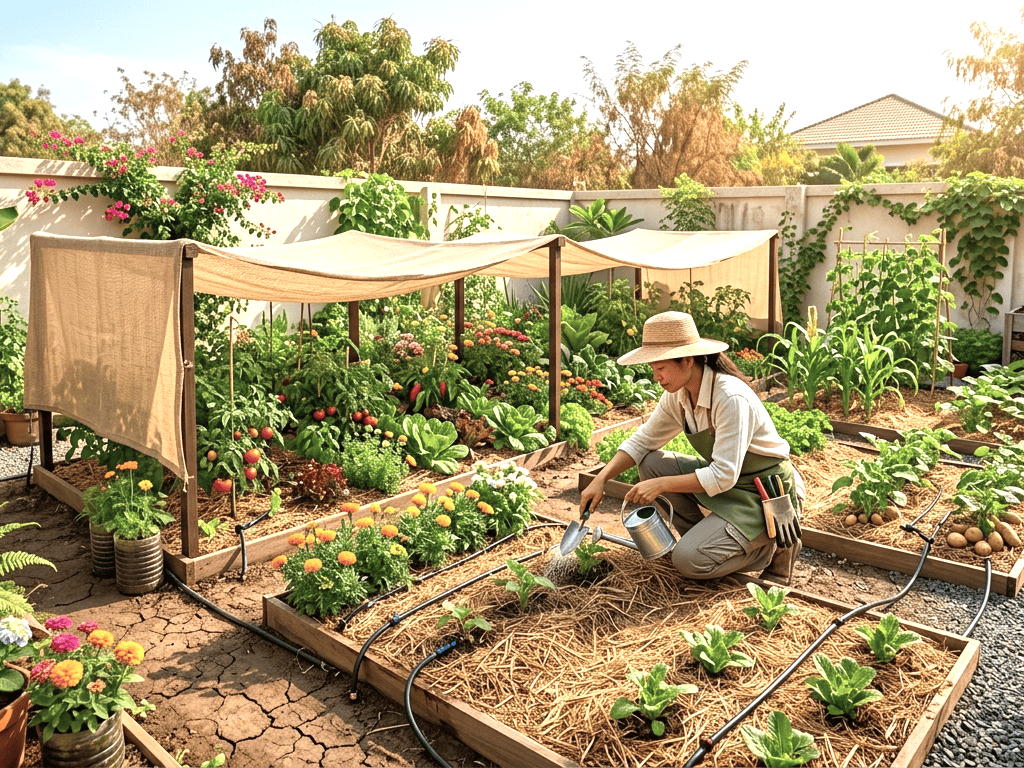
Home gardeners need to understand global warming, because it will help them make better decisions. You can make a garden more resilient by choosing heat-tolerant plants, improving soil health, using mulch, conserving water and providing shade. This article discusses the impact of global warming on home gardening and what gardeners can do to protect plants and minimise problems so they can continue to grow healthy gardens in a warming climate.
What Global Warming Means for Home Gardeners
Global warming is when the average temperature of the earth is slowly getting warmer. This can alter the normal way plants grow for the home gardener. Gardens may face hotter days, warmer nights, longer dry spells, stronger storms, more unpredictable seasons. These changes can make gardening more difficult, especially for people who grow vegetables, flowers, herbs or fruit trees at home.
One major impact is heat stress. Plants may wilt, stop growing, drop flowers or produce less fruit if temperatures get too high. For example, tomatoes, peppers, lettuce and a lot of leafy greens have a hard time when it gets really hot. Even sun-loving plants can suffer if the heat is extreme over many days.
Global warming can also change how much water we need. Hotter weather dries soil more quickly, meaning gardeners may need to water more often. But in some places there may not be enough water during dry seasons or droughts. This makes water-saving methods such as mulching and drip irrigation and rainwater collection more important for home gardens.
Another problem is pests and diseases of plants. Warmer conditions can allow some insects to survive longer and reproduce faster. Gardeners may see an increase in aphids, whiteflies, caterpillars, mites or fungal problems. That means home gardeners will have to check their plants more often and use safe pest-control methods before a problem gets out of hand.
Global warming can also alter planting seasons. Some gardeners may be able to plant earlier in spring or grow crops later into fall. But this can bring risks, like sudden heat waves, unexpected heavy rain or unusual cold snaps. With less predictable weather gardeners will have to be more flexible in planting dates and plant choices.
“Simply put, global warming means home gardening needs more planning and adaption. Gardeners might have to select plants tolerant of heat, add compost to the soil, give plants shade, conserve water and brace for extreme weather. Home gardeners who understand these changes can build stronger, healthier gardens that survive better in a warmer and more uncertain climate.
Higher Temperatures and Plant Stress
One of the biggest ways global warming affects home gardens is through increased temperatures. Plants need warmth to grow, but too much heat can be seriously stressful. Once the temperature exceeds a plant’s comfort zone, it can impede water absorption, flowering and the growth of healthy fruits or leaves.
Wilting is a typical heat stress symptom. On hot afternoons, plants may look limp, soft, or weak because they are losing water faster than their roots can replace it. If it happens often, the plant can get weaker over time. The edges of the leaves may turn yellow or brown, and flowers may drop off, and growth may slow.
Vegetable gardens in particular are very sensitive to high heat. Cooler crops such as lettuce, spinach, broccoli and peas may stop growing well in extreme temperatures. Certain plants, such as tomatoes and peppers, thrive in warm weather, but even they can be adversely affected by excessive heat. Tomato flowers may not set fruit, and peppers may be smaller or misshapen.
The hot weather also dries the soil faster. That means plants may need watering more often, particularly those in pots, raised beds or sandy soil. Container plants are more prone to problems because their roots have less soil to buffer them from heat. Too little moisture can harm roots and stunt the growth of plants.
Sunscald is another problem. This is when fruits, stems or leaves are damaged by strong sun and heat. Can affect tomatoes, peppers, cucumbers and young seedlings. The damaged areas may become pale, dry or soft and the plant may become more susceptible to disease.
Home gardeners can ease plant stress by mulching, deep watering, shading with shade cloth, and choosing heat tolerant varieties. Watering in the early morning is also beneficial, as it allows the plants to receive ample moisture before the warmest part of the day. Compost can make the soil better at holding water and protecting roots.
Heat stress in a warming climate is something gardeners need to become more aware of. With good planning and simple protection methods, plants can remain healthy and continue to produce even when the weather turns hot.
Longer Growing Seasons: Benefits and Risks
In many places, global warming can lengthen the growing season. That means spring’s warm weather could arrive earlier and stay later into autumn. That can provide some benefits for home gardeners, but also new risks that require careful planning.
Another benefit is that gardeners might have more time to grow plants. A longer season means vegetables, herbs and flowers can grow for more weeks or even months. Gardeners may be able to plant earlier, harvest later, or grow a second crop after the first harvest. For example tomatoes, peppers, beans, cucumbers and herbs can keep going longer if the temperature is right.
A longer growing season also gives gardeners a chance to experiment with new plants. In some regions, certain warm season crops that were hard to cultivate previously could now be more successful. It provides home gardeners with more options and may increase the production of food in backyard gardens.
But longer growing seasons also carry risks. Warmer weather does not mean more stable weather. Plants may begin to grow sooner in the spring, but a late frost can still damage young leaves, flowers or seedlings. It is especially dangerous for fruit trees and early blooming flowering plants.
Another risk is higher pest pressure. Longer warm weather means insects can live and reproduce longer. Aphids, whiteflies, mites, caterpillars and other pests may appear earlier and stick around longer in the garden. Warm, moist conditions can also make it easier for diseases to spread in plants.
Longer seasons can also drive demand for water. More weeks of growth require more moisture, and hot weather can quickly dehydrate the soil. Without the right watering practices, mulch and good soil, plants can suffer from drought stress.
The best way for home gardeners is to use the longer season wisely. Plant seeds at the correct time, shield tender young plants from unexpected cold weather, keep a close watch on pests, and choose plant varieties adapted to the new climate.
A longer growing season can help, but that’s not always easy. With smart planning, gardeners can enjoy bigger harvests while reducing the risks caused by unpredictable weather, pests, and heat.
Changes in Rainfall and Water Needs
Global warming is altering rainfall patterns in many areas. Some places are drying out, others are getting more rain – but in a shorter space of time. This makes watering less predictable for home gardeners. One month you have a drought and the next month you have a flooded garden.
When rainfall becomes less regular, plants can struggle to get steady moisture. During long dry periods leaves will wilt, flowers will drop and vegetables will grow slowly. Soil may become hard and dry, making it harder for roots to absorb water. Plants in pots, raised beds and sandy soil can dry out even faster.
At the same time, heavy rain can create different problems. Too much water can leach nutrients from the soil, compact the soil, and even kill young plants. If water is allowed to sit around the roots too long, roots can rot. Wet conditions can also increase fungal diseases, especially on tomatoes, cucumbers, squash, and leafy greens.
These changes mean home gardeners need to develop smarter watering habits. Instead of watering lightly every day, it is better to water deeply so that the moisture penetrates the roots. As a general rule, water in the early morning so plants can absorb water before the hottest part of the day.
Mulching works very well as well. A layer of straw, leaves, wood chips, or compost can help soil stay moist longer, reduce evaporation, and protect roots from heat. Improving soil with compost helps it hold water better during dry weather and drain better during heavy rain.
Rainwater collection, drip irrigation and grouping plants with similar water needs are also good practices. Choosing drought-tolerant plants can reduce water demand, especially in hot or dry regions.
The rain is becoming less predictable as the climate warms. With dry spells and heavy rain, home gardeners can keep their plants protected, reduce waste and maintain healthier gardens by managing water wisely.
More Drought Problems in Home Gardens
Drought is becoming a bigger challenge for many home gardeners as global warming increases heat and changes rainfall patterns. If the dry weather continues for a long time the garden soil dries out quickly. Plants might not receive enough water to grow, bloom and produce healthy fruits and vegetables.
Wilting is one of the most common drought problems. Leaves may be soft, curled or dry, especially in the afternoons. Leaves may turn yellow or brown , flowers may drop and plant growth may stop . Drought can cause Vegetables such as tomatoes, peppers, cucumbers, lettuce and beans may give smaller crops when water is scarce.
Drought affects the soil as well. Dry soil can become hard and compacted making it difficult for roots to spread. When roots cannot grow deeply, plants become weaker and less able to survive hot weather. Sandy soil loses water very quickly. In clay soil the surface may crack and be difficult to re-wet.
Drought makes container gardens even more vulnerable. Pots dry out faster than beds in the garden because they don’t hold as much soil and they get heat from all sides. Container plants may require more frequent watering and additional protection from direct afternoon sun.
Gardeners should concentrate on retaining moisture in the soil to reduce drought issues. Mulch is one of the best answers. A layer of straw, dry leaves, grass clippings, wood chips or compost can slow evaporation and keep roots cooler. It is also better to water deeply in the morning rather than water shallowly, because deep watering encourages roots to grow deeper.
You can also help by choosing drought tolerant plants. Herbs like rosemary, thyme, and oregano often handle dry conditions better than many soft-leaf plants. Native plants can be good choices, too, since they’re adapted to local weather.
A drought does not mean failure for the home garden. Smart watering, healthy soil, mulch, shade and the right plant choices will help gardeners grow more successfully and protect their plants in dry conditions.
Increase in Garden Pests and Plant Diseases
Global warming can increase garden pests and plant diseases because warmer weather helps many insects survive longer and reproduce faster. With cold weather, pest numbers used to be kept down in winter. But as winters warm, more insects can survive, and return earlier in the growing season.
Home gardeners may see more aphids, whiteflies, spider mites, caterpillars, beetles and other insects that damage plants. These pests can weaken plants by eating leaves, sucking plant sap or damaging flowers and fruits. With serious pest problems, plants may grow slowly, produce less food, or become more susceptible to disease.
Higher temperatures can also help spread plant diseases. “Powdery mildew, blight and other fungal diseases tend to be worse in warm and humid weather,” he said. Heavy rain followed by hot weather can set the perfect stage for disease. You may see spots develop on the leaves or they may turn yellow or die back. Affected vegetables include tomatoes, cucumbers, squash and beans.
Another problem, pests can transfer plant diseases from plant to plant. For example, insects that feed on infected plants can carry disease to healthy plants. That’s why early pest control is very important in a changing climate.”
Home gardeners can reduce these problems by regularly checking plants. Check under leaves, around stems & close to new growth where pests tend to hide. To reduce disease, remove damaged leaves, improve air flow and avoid overhead watering.
Natural methods of pest control are also beneficial. Gardeners can plant flowers and avoid harsh chemicals to attract beneficial insects such as ladybirds, lacewings and bees. Companion planting, crop rotation, clean garden tools and healthy soil can also help plants to grow stronger.
With global warming altering garden conditions, pest and disease problems may be more common. But gardeners can use simple prevention methods and careful observation to protect their plants and keep their gardens healthy.
Effects on Soil Health and Soil Moisture
Global warming can have a strong impact on the soil health and soil moisture in home gardens. The higher the temperature the faster the water evaporates out of the soil. This means garden beds will probably dry out faster, especially in hot days, dry seasons and heat waves. When soil dries out too much, plants can’t absorb water and nutrients.
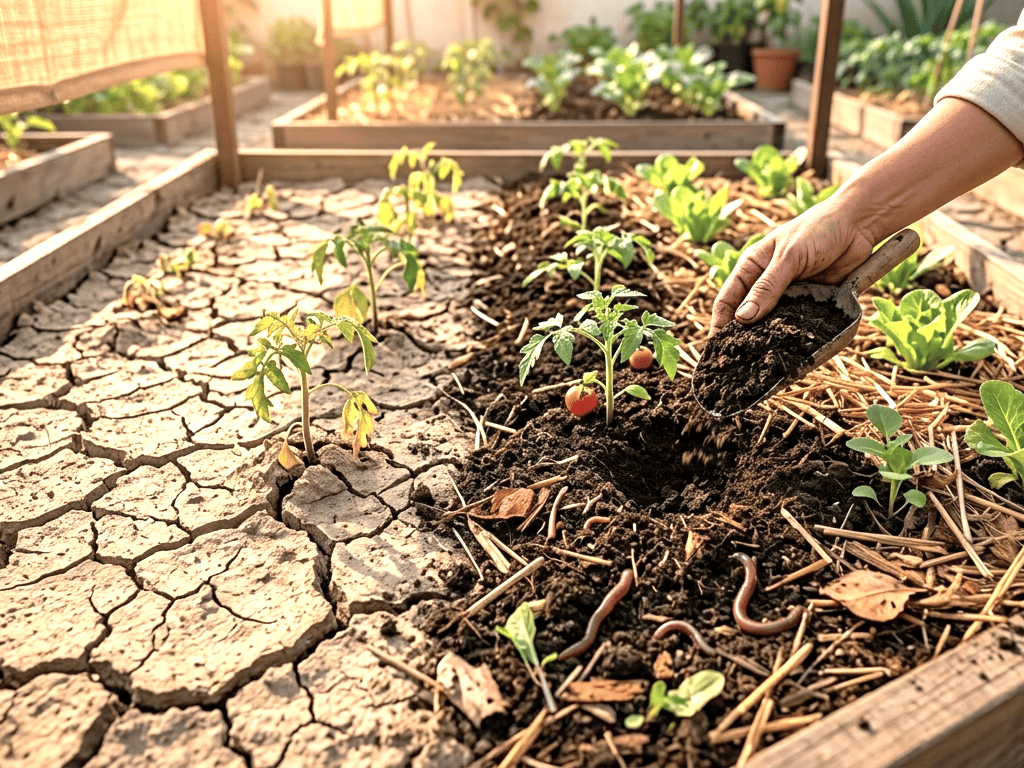
Dry soil can become hard and compacted, hard for roots to penetrate. In such a situation, the roots of plants may remain shallow rather than penetrating deeply. Weak plants with shallow roots won’t fare well in heat or drought. When soil moisture is not stable, vegetables, herbs, flowers and young seedlings are particularly vulnerable.
It can also affect the life of the soil. Healthy soil contains helpful organisms such as earthworms, fungi, bacteria, and insects. These organisms help to decompose organic material and release nutrients for plants. Many of these good guys slow down when the soil gets too hot or too dry. This means that the soil may lose its fertility over time.
Heavy rain can cause a further problem. Topsoil, nutrients and compost can be washed away by heavy rain. It can also crush the surface of the soil so that water and air cannot pass through easily. If the water sits around the roots of a plant for too long, it can cause root rot and fungal disease.
“Adding compost regularly can help protect soil for home gardeners. Compost improves soil structure , aids in moisture retention, and promotes healthy soil life. Mulching is very important also . You can lay down a layer of straw, dry leaves, wood chips or grass clippings to slow evaporation, keep the soil cooler and protect roots from extreme heat.
One of the best ways to adapt to global warming is good soil care. Gardeners who improve soil health and manage moisture wisely will grow stronger plants and keep their gardens productive in a warmer climate.
How Global Warming Affects Vegetables, Fruits, and Flowers
Vegetables, fruits and flowers are affected differently by global warming. “Warmer temperatures and more unpredictable weather may begin to impact home gardening with changes in how plants grow, how good the harvest will be, when plants will flower and overall garden health.
Vegetables are often heat sensitive. Lettuce, spinach, broccoli, cabbage, and peas are examples of cool-season crops that may grow poorly when temperatures become too high. They may bolt early, taste bitter, or stop making good leaves. Warm-season crops like tomatoes, peppers, cucumbers and beans are more tolerant of heat, but extreme temperatures can still affect fruit production. For example, tomato flowers may drop off without forming fruit if it is too hot.
Fruit plants too can be affected. Fruit trees require a certain amount of cold and warm weather to bloom and fruit properly. Warmer winters could disturb this cycle, leading to poor flowering or smaller harvests. Sudden heat waves, drought or unexpected storms can damage young fruits and reduce the quality.
Flowers could bloom earlier than usual because of warmer weather. Some flowers may not last as long and some may not fare well in the extreme heat. In hot weather the petals will quickly fade, dry up or drop off. This can diminish the beauty of the garden and also impact pollinators that depend on flowers for food.
Water demands also increase with global warming. Vegetables, fruits and flowers may need watering more often as the soil dries out faster. If there is too little moisture, plants can wilt, grow slowly, or produce less.
Home gardeners can adapt by selecting heat-tolerant varieties, mulching, improving soil with compost, and providing shade during the hottest part of the day. Mixing vegetables, fruits and flowers in the garden can also make it more resilient.
In a warming climate, gardeners have to watch their plants, and adjust their practices. But with a bit of smart planning, home-grown healthy vegetables, sweet fruits and beautiful flowers are still possible.
What’s Causing Pollinators to Lose Their Reliability
Pollinators are very important in home gardens because they help many plants produce fruits, vegetables and seeds. Bees, butterflies, moths, beetles, flies and other insects take pollen from flower to flower. Plants such as tomatoes, cucumbers, squash, melons, peppers, berries and many fruit trees may have fewer or smaller harvests without good pollination.
There are many ways that global warming could make pollinators less reliable. One is timing. Warmer weather may cause flowers to bloom earlier than usual. However, pollinators may not always appear at the same time. If flowers bloom before the bees or butterflies are around, the plants may not get pollinated well.
Extreme heat can also decrease pollinator activity. Bees and other insects tend to not fly during the hotter parts of the day. In heat waves, they might be spending more time looking for water or shelter than visiting flowers. And that means there’s less pollen going out to the flowers.
Pollinators can also be affected by changes in rainfall. Heavy rain can harm flowers and reduce nectar. Extended dry spells can reduce the number of blooms from plants, meaning less food for pollinators. Pollinators may decline in numbers if there is less food for them to eat.
Garden pesticides can make the problem worse. As the climate warms, pest problems may increase and some gardeners may turn to more chemicals. These chemicals can harm helpful insects along with pests.
Home gardeners can help pollinators by planting many kinds of flowers that bloom at different times of the year. Native plants, herbs and flowering vegetables can provide food for bees and butterflies. Avoid harsh pesticides, provide shallow water, and leave small natural areas can help too.
Pollinators are less predictable, but gardeners can make their yards more welcoming. A pollinator-friendly garden can improve harvests and support a healthier environment.
Garden Damage from Extreme Weather
Home gardeners can expect to see more frequent and more severe extreme weather because of global warming. Events such as heat waves, heavy rain, strong winds, drought, flooding, and sudden temperature changes can harm plants quickly. Even a healthy garden can suffer if the weather changes too fast.
One of the most frequent problems is heat waves. If temperatures stay very high for several days, plants may wilt, drop flowers or stop setting fruit. Young seedlings and container plants are especially sensitive because their roots dry out faster. Fruits like tomatoes and peppers are also susceptible to sunscald if they are subjected to intense sunlight.
Gardens can be affected differently by heavy rain. Too much rain can wash away soil, compost and nutrients.” It can also flood garden beds and cause the roots to rot. Fungal diseases can be more easily spread if leaves stay wet for a long period.
Strong winds can break stems, damage leaves and topple tall plants. Provide support for plants such as tomatoes, corn, sunflower and climbing beans in windy weather. Support with stakes, cages or trellises may reduce damage.
Plants can get confused by sudden changes in the weather. A warm spell can encourage early growth, but a sudden cold night can damage new leaves or flowers. Young vegetables and fruit trees are especially vulnerable to it.
Planning can help home gardeners reduce damage from extreme weather. Mulch protects soil from heat and heavy rains. Shade cloth: Protect plants from the heat wave. Raised beds can help drainage in wet weather. Gardens can also be strengthened with windbreaks, plant supports, and healthy soil.
Extreme weather cannot always be avoided, but a well-prepared garden can recover better. Home gardeners can reduce damage to plants and maintain productivity by watching for changes in the weather and applying simple protective measures.
Best Ways Home Gardeners Can Adapt
Home gardeners can help make their gardens more resilient, cooler and water wise in a warming world. The first step is to select the right plants. Heat-tolerant, drought-resistant and native plants generally do better in warmer, drier conditions. Gardeners can select vegetable varieties that mature earlier, or that do better in hot weather.
Water management is quite important. “Water them deeply so the moisture reaches the roots – not just a little bit each day.” Watering early in the morning is best as less water is lost through evaporation. You can also conserve water with drip irrigation, rainwater collection and watering cans.
Mulching is another simple but powerful technique. A layer of straw, dry leaves, wood chips or compost helps keep soil moist, cuts down on weeds and shields roots from heat. Mulch helps hold soil in place during heavy rain.
Soil health improvement is also important. Compost helps soil retain moisture, drain better and supply nutrients. Healthy soil means stronger roots, which means plants can better resist heat, drought and disease.
Gardeners can also create shade during extreme heat. Shade cloth, trellises, taller plants or garden structures can shade sensitive crops from strong afternoon sun. This is especially helpful for leafy greens, seedlings and container plants.
With a warming climate pest and disease control should be more frequent. Check plants regularly, prune damaged leaves, increase airflow, and avoid harsh chemicals when possible. Beneficial insects can be encouraged to help keep pests under control naturally.
And finally, gardeners should be flexible. Planting dates may need to shift as seasons become less predictable. Keeping records of weather, planting times and harvest results can help gardeners make better decisions every year.
Smart plant choices, better watering, mulch, healthy soil, shade and regular observation can help home gardeners continue to thrive as the climate changes.
Climate-Smart Gardening Tips for the Future
Climate-smart gardening is growing plants in ways that consider hotter, drier and more unpredictable weather. As global warming continues to affect home gardens, gardeners need to use methods that conserve water, protect soil and help plants survive stress.
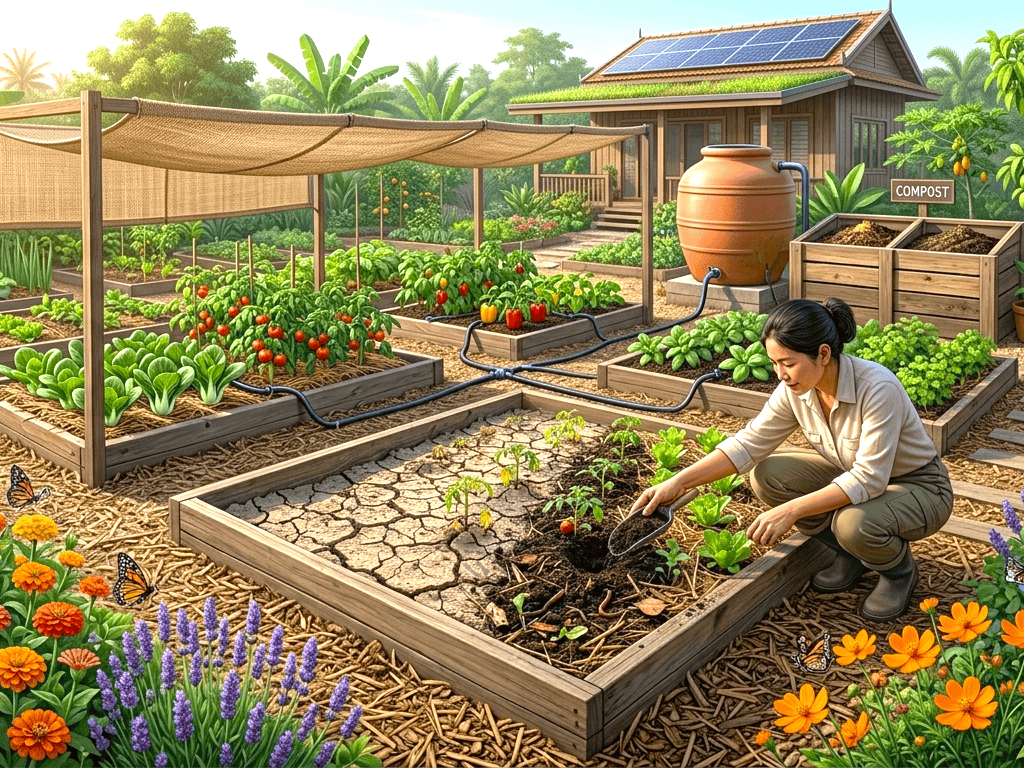
One important tip is to choose the right plants. Native plants, drought-tolerant plants and heat-resistant vegetables are often better choices for a changing climate. These plants normally need less water and are more tolerant of local climate conditions.
Water saving is important too. Gardeners should water deeply, not lightly, every day, and in the early morning. Water deeply to promote stronger roots. You can also try drip irrigation, rainwater harvesting and mulch to avoid wastage of water.
Healthy soil is the basis for a climate-smart garden. Adding compost to soil improves its structure, helps it hold water and feeds beneficial soil organisms. Mulch such as straw, leaves, wood chips or grass clippings help keep the soil cooler and prevent it from drying out.
Shading is another useful tactic . In extreme heat, shade cloth, trellises or taller plants can be used to shade sensitive crops from the strong sun. This prevents wilting and sun damage.
Gardeners should also grow different kinds of plants. A diverse garden is more resilient – if one plant is struggling, others will do well. Planting a mixture of vegetables, herbs, flowers and native plants can help to support pollinators and reduce pest problems.
In the end, gardeners should be vigilant about their gardens. Weather patterns are shifting, so old planting schedules may no longer apply at times. Getting better every season can be helped with tracking when plants are sown, heat waves, rainfall, pests and harvests.
Climate-smart gardening isn’t about making gardening harder. It’s about simple, practical ways to keep plants safe and save resources. With the right choices, home gardeners can create productive, beautiful and resilient gardens for the future.
Conclusion
Global warming is changing home gardening in many ways, from warmer temperatures and longer dry spells to unpredictable rain, more powerful storms and more garden pests. Such variations can impact soil moisture, plant health, flowering, fruiting and general quality of the harvest. Home gardeners may find that traditional gardening methods don’t always perform the way they used to.
But gardeners can adapt wisely and still grow healthy, productive gardens. Choosing heat-tolerant plants, improving soil with compost, using mulch, saving water, creating shade, and checking plants regularly can make a big difference. A climate-smart garden is more robust, resilient and better able to cope with future changes in the weather.
Understanding the effects of global warming on gardens will assist home gardeners in protecting their plants, cutting down on waste, and being able to enjoy successful gardening in a warmer and more unpredictable climate.
1 thought on “How Global Warming Is Changing Home Gardening”